Rand Engineering and Architecture, P.C. Rand Engineering and Architecture, P.C. Green Services Historic Preservation Architectural Design Structural Engineering Mechanical/Electrical/Plumbing Exterior Restoration Rand Engineering and Architecture, PC Rand Engineering and Architecture, PC


Bohemian National Hall

Complete Building Renovation

  • Property
  • History & Heritage
  • Overview & Scope
  • Highlights
  • Project Team
  • Award
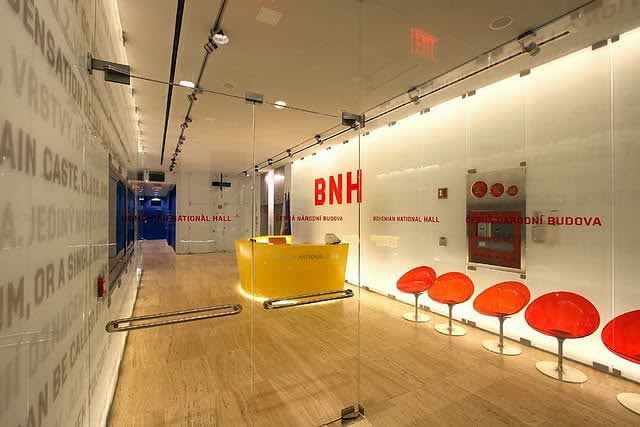
Czech Consulate and Cultural Center

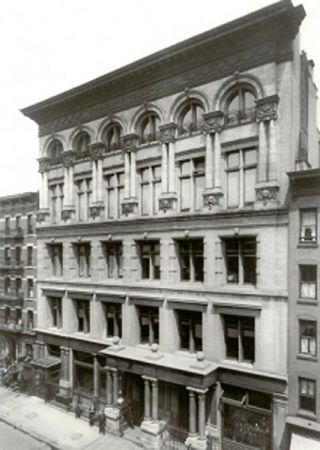
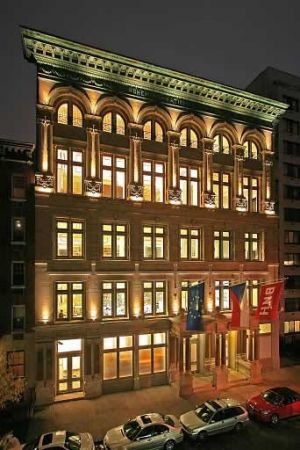
Built in 1896, Bohemian National Hall, a 45,000-square-foot, five-story Renaissance Revival building at 321 East 73rd Street on the Upper East Side of Manhattan, is home to the Czech

Consulate General, the Czech Center of New York, the Bohemian Benevolent & Literary Association, and a restaurant, Hospoda. The building was designated a New York City landmark in 1994.

History and Heritage

The Bohemian National Hall was designed as a social and cultural club at the end of the 19th century to serve New York City's growing Czech community. The building was the center for Czech nationalistic rallies and fund-raisers during World War I, when Czechoslovakia was established as a sovereign nation, and again during World War II, when the country was under Nazi occupation.

As New York City's Czech population dwindled after the war, fewer events were held at the hall, which began to lose its cultural identity. Other organizations, including performing arts groups, continued to use the theater. (In 1963, 17-year-old Liza Minnelli made

her stage debut there in "Best Foot Forward.") The building gradually fell into disrepair, until it was declared unfit for occupancy in 1986. In 2001, the Czech Republic bought the building from the Bohemian Benevolent & Literary Association and in 2003 began a major exterior and interior restoration, which was completed in 2008.

In addition to its official role as a governmental building for the Czech Republic, Bohemian National Hall is used for a variety of social, cultural, and business events, including concerts, balls and dances, films, plays, lectures, exhibits, readings, fashion shows, and corporate functions.

Project Overview

Facade Restoration; Mechanical, Electrical, Plumbing, and Fire Protection Design; and Complete Interior Renovation

Scope of Work

As Engineer and Architect of Record, RAND Engineering & Architecture, PC:

  • Conducted comprehensive peer review of proposed interior design plans
  • Identified revisions and proposed alterations so designs complied with New York City Building Code
  • Designed mechanical, electrical, plumbing, and sprinkler systems for Hospoda restaurant 
  • Obtained Department of Buildings and Landmarks Preservation Commission work permits for exterior and interior work as well as Certificate of Occupancy and Place of Assembly Permits
  • Administered construction to confirm work was performed as specified
Project Highlights
Grand Ballroom

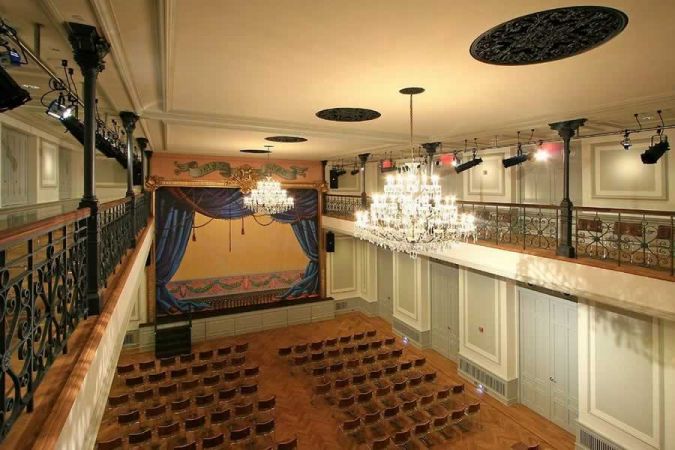
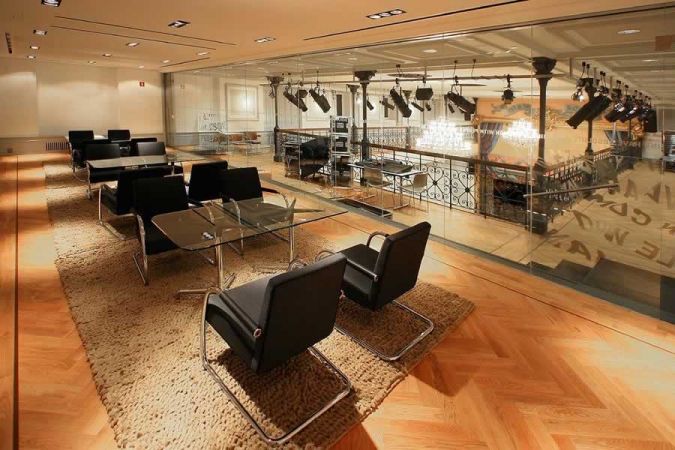
The centerpiece of the Bohemian National Hall is the 300-person, 2,180-square-foot Grand Ballroom and ceremony hall, with a fully equipped 645-square-foot stage, 18-foot-high partition doors, and balcony. The space features stucco decorations, crystal chandeliers, an artistically designed balcony banister, and a 675-square-foot balcony skybox.

To retain its historic look, the walls were rebuilt with masonry, the moldings and trim redone with real plaster, and original decorative parts refurbished or replaced with replicas. Hand-painted millwork and specially designed flooring were imported from the Czech Republic.

Rand reconfigured the ballroom's HVAC system to accommodate aesthetic and sound requirements.

Interior Spaces
  • Offices for Czech Consulate General, Czech Center, and Bohemian Benevolent & Literary Association
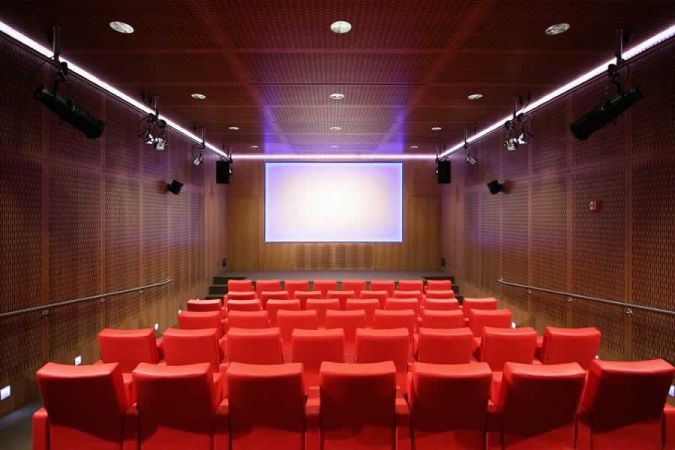
  • 60-seat theater with digital projection, independent sound system, and acoustically designed ceiling, walls, and floors
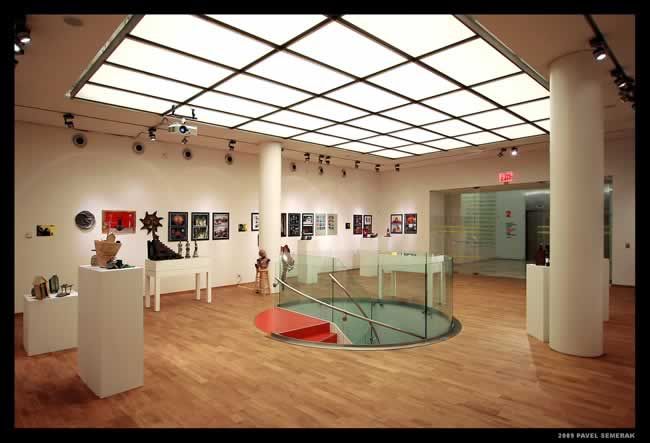
  • Exhibition gallery featuring artificial skylight with stainless steel framing
  • 180-person-capacity 1,800-square-foot multifunction room with adjacent 74-person-capacity library and meeting room
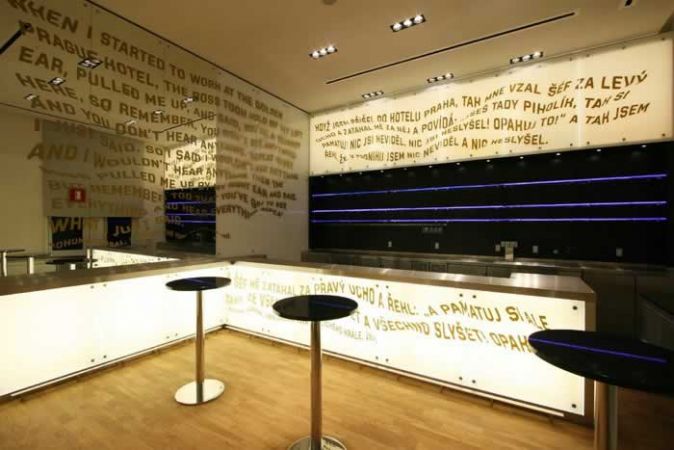
  • Bar and preparatory kitchen with mechanical dumbwaiter to kitchens In first-floor restaurant and cellar
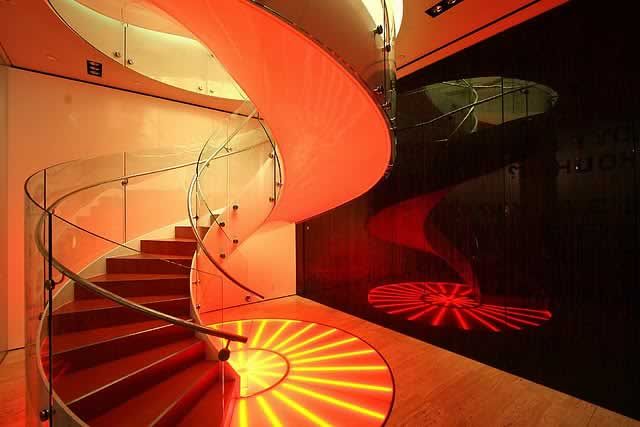
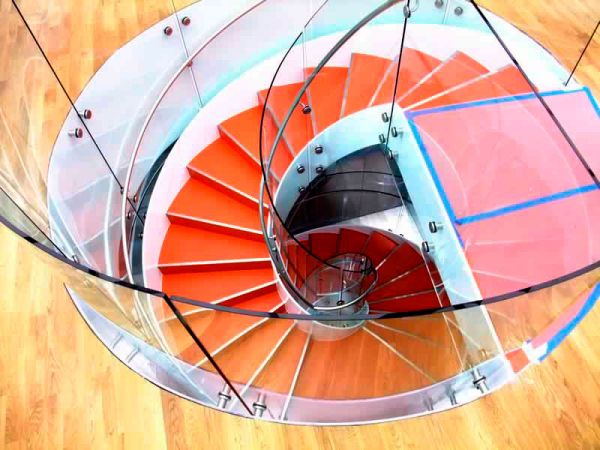
  • Specially designed spiral staircase between first and second floors featuring LED lighting an reflective Brazilian veneer wood on surrounding walls
Hospoda Restaurant
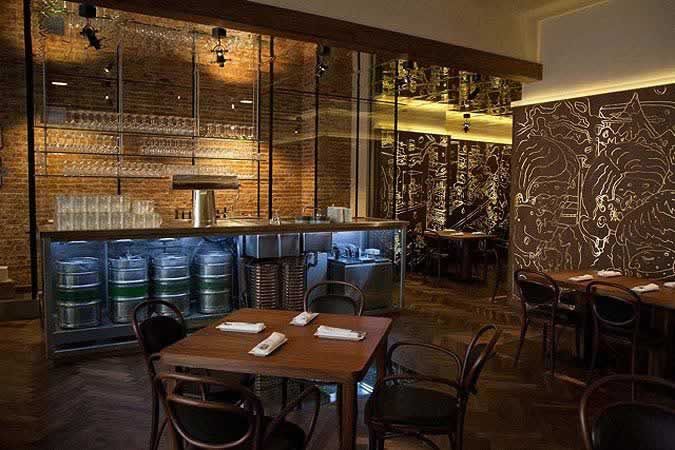
  • 80-person-capacity Czech-style restaurant and bar
  • Glass bar with brushed-steel frame
  • Engraved backlit wooden panels
  • Glass panel in floor reveals cold storage for beer kegs and wine in cellar
Roof Terrace

74-person capacity, 1,894-square-foot roof space features bar and cooking grills, concrete pavers, stainless steel parapet railings, and retractable canopy.

Facade

Restored, repaired, and/or replaced:

  • Metal cornice
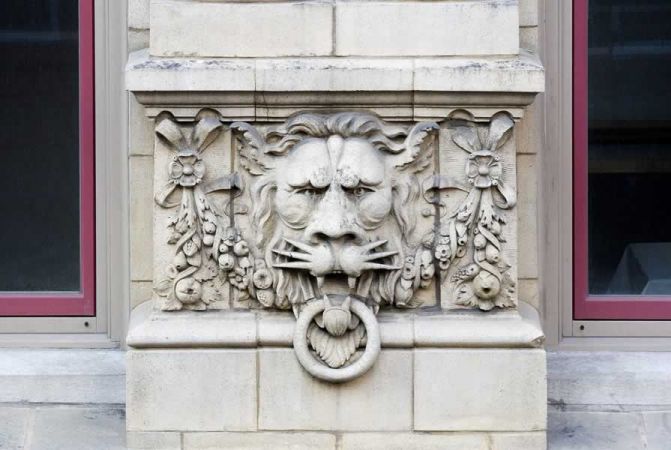
  • Brickwork and decorative stonework
  • Limestone at portico landing
  • Granite steps and landing
  • Cast iron railings and columns
Engineer/Architect

RAND Engineering & Architecture, PC

Contractors

PSJ Holding (general)

Design Architects

Jan Hird Pokorny (facade)
Martin Holub Architects & Planners (interior)
Atelier M1 (interior)
PH5 Atelier (restaurant)

Construction Cost

$45 million

Award

Renaissance Award, Friends of the Upper East Side Historic Districts, 2009

RAND Engineering & Architecture, PC | 159 West 25th Street,  New York, NY 10001 | P: 212-675-8844 | F: 212-691-7972 | info@randpc.com