
FISP Cycle 10: RAND Resources
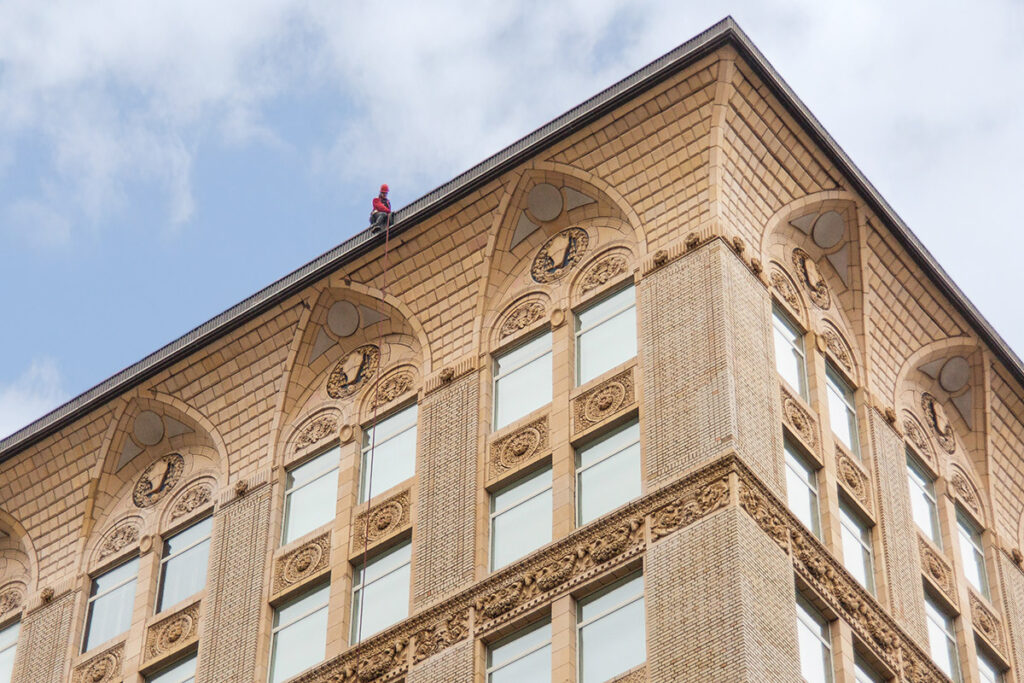
Facade Inspection Safety Program (FISP) Sub-Cycles 10A and 10B are now open. For many buildings, Cycle 10 planning comes down to a few practical questions: when to start, how to coordinate access, what triggers DOB comments during review, and how sidewalk sheds can affect schedule, cost, and disruption. If you’re planning your filing, briefing your board, or navigating sidewalk shed and access questions, start with our resources below.
Facade Inspection Safety Program (FISP) Guide: Cycle 10 Requirements
A detailed, practical reference covering Cycle 10 filing windows, timelines, report basics, and key terms, useful for planning, internal coordination, and staying ahead of compliance.
Is This Your Building’s First FISP Cycle?
What to expect if this is your first filing, including timing, process, and typical coordination needs.
Inside DOB’s Review of FISP Reports: What Owners Should Know for Cycle 10
How DOB reviews FISP filings and where reports most often get held up.
Key Takeaways from NYC’s New FISP Study for Your Building
What the City’s findings suggest about common conditions and where owners should focus attention.
5 Common FISP and Sidewalk Shed Myths Debunked
Clear up recurring misconceptions that can drive avoidable delays, scope confusion, and shed-related decisions.
Local Law 47 of 2025: What’s Changing for Sidewalk Sheds
An overview of NYC’s new sidewalk shed rules and how they can affect permits, timelines, and facade repair planning.
New York State’s New Access Law: What It Means for Your Next Project
Why access planning matters early, and what the updated requirements mean for investigation and construction.
A final planning note
FISP is more than a filing deadline. The inspection and report often become the starting point for broader decisions, from investigation scope and repair sequencing to public protection and multi-year budgeting. FISP inspections can also surface conditions beyond the facade, including structural defects that might otherwise go unnoticed.
Planning earlier rather than later helps. Lead times are typically 3–4 months and often longer as deadlines approach. Reach out to our team of Qualified Exterior Wall Inspectors and Building Envelope professionals to discuss timing, access planning, and next steps, or to schedule an inspection.
Why RAND
- 4,000+ NYC facade inspection reports filed (FISP, including prior Local Law 11/98 cycles).
- Cycle 10 planning support that accounts for access constraints, sidewalk shed implications, and DOB review expectations.
- QEWI-led inspections backed by in-house licensed PEs and Registered Architects.
- Specialized access capabilities, including FAA-certified drone pilots and SPRAT-certified rope access.
RAND Engineering & Architecture, DPC has been serving New York’s building community for nearly 40 years. Founded in 1987, our firm designs and administers programs for the repair, upgrade, restoration, and adaptive reuse of residential, commercial, institutional, and retail properties.
Our expertise includes exterior envelope repair – with a particular focus on FISP – parapet inspections and repair programs, window and door replacement, heating, plumbing, and electrical upgrades, garage inspections and repair programs, architectural design and ADA compliance, feasibility studies and plan reviews, structural engineering, forensic surveys, benchmarking, energy audits, and retro-commissioning, green roofs, and historic restoration.
RAND also has dedicated groups for Building Design, Industrial Rope Access, Drone Services, Infrared Surveys, and 3D Laser Scanning. We also have a Code & Zoning Compliance Team and are an accredited Special Inspections Agency.