
More NYC Affordable Housing Projects Could Qualify for Historic Tax Credits
Changes to New York State’s historic tax credit program and a new initiative from the Historic Districts Council could expand financing opportunities for rehabilitating aging affordable housing.
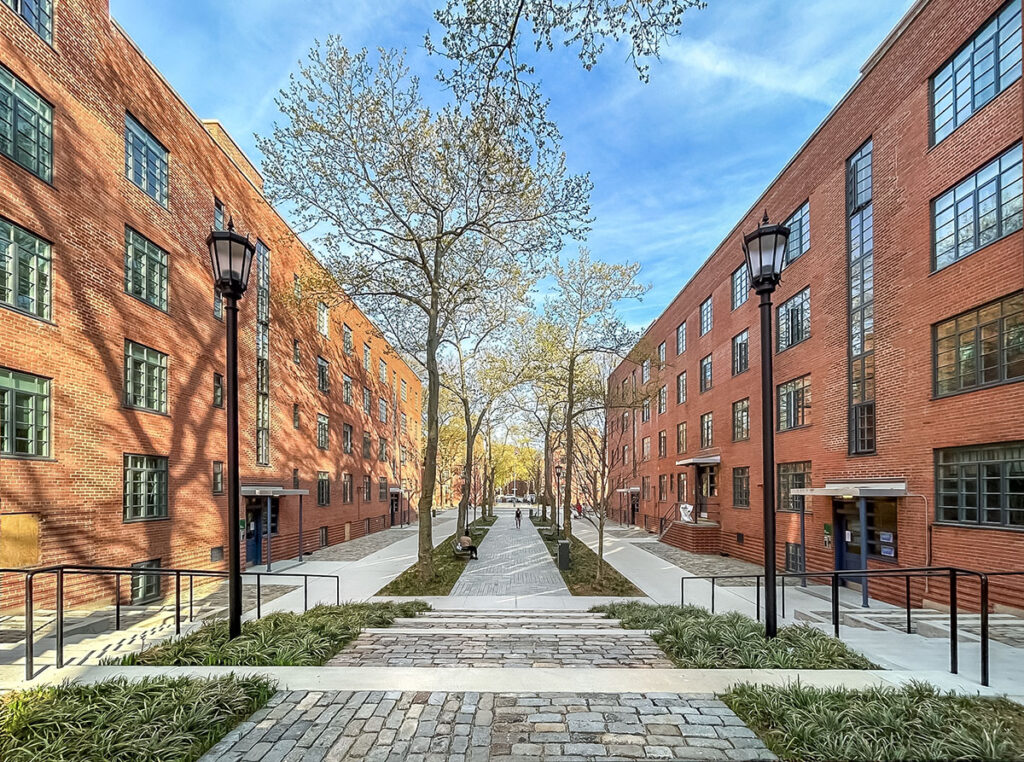
Many of New York City’s older affordable housing buildings need substantial investment in facades, roofs, heating systems, and other infrastructure. For owners and developers working with limited capital budgets, financing these improvements can be a major challenge.
Historic rehabilitation tax credits remain a largely untapped financing resource for New York City’s affordable housing properties. A new initiative from the Historic Districts Council (HDC), along with recent changes to New York State’s tax credit program, could help more qualifying properties take advantage of these incentives.
Expanding Access to Historic Rehabilitation Tax Credits
The Historic Districts Council (HDC) recently launched Preserving Affordability: Unlocking Historic Tax Credits for Housing, an initiative exploring how preservation incentives could help finance improvements to existing affordable housing.
HDC plans to identify properties that may qualify for listing on the National Register of Historic Places, develop financing case studies, and pursue a pilot National Register nomination. The initiative initially focuses on publicly supported and nonprofit-owned affordable housing, with the possibility of extending the approach to privately owned rent-regulated properties.
Although HDC’s initiative focuses on affordable housing, historic rehabilitation tax credits are also available for qualifying commercial buildings, market-rate rental housing, and other income-producing properties. The federal program provides a credit equal to 20% of qualified rehabilitation expenditures. New York State offers an additional credit of 20%, or 30% for certain smaller projects, up to a maximum of $5 million per structure.
To qualify, projects must meet historic certification and substantial rehabilitation requirements, and the work must comply with the Secretary of the Interior’s Standards for Rehabilitation. National Register listing is separate from NYC landmark designation and does not, by itself, place a building under NYC Landmarks Preservation Commission regulation.
What’s Changing in 2026?
Beginning in tax year 2026, qualifying affordable housing projects may be eligible for New York State historic rehabilitation tax credits even if they are located outside the census tracts previously required by the program.
The exemption is subject to specific affordability criteria, including a qualifying regulatory agreement with affordability restrictions lasting at least 30 years.
This change may make state historic tax credits available to affordable housing projects that previously did not meet the program’s geographic requirements.
Evaluating a Building’s Rehabilitation Needs
For older affordable housing properties, rehabilitation often involves multiple building systems. Facade deterioration, roofing deficiencies, aging mechanical equipment, and structural concerns may all need to be addressed within the same capital improvement program.
A building condition assessment or Integrated Physical Needs Assessment (IPNA) can help owners identify necessary work, prioritize repairs, and develop cost estimates for rehabilitation planning.
For projects pursuing historic tax credits, proposed repairs and upgrades must also be evaluated against applicable preservation standards. Owners should involve preservation and tax credit specialists early, ideally before finalizing the scope of work. Construction undertaken without appropriate preservation review can jeopardize eligibility.
RAND’s Experience: Harlem River Houses
The restoration of Harlem River Houses in Manhattan offers an example of major building rehabilitation within a historic affordable housing complex.
Built between 1936 and 1937, the landmarked development comprises seven buildings and more than 570 affordable housing units.
Working with Curtis + Ginsberg Architects, RAND served as facade and roofing consultant, providing facade surveys, masonry restoration and waterproofing design, roof replacement design, construction administration, and Special Inspections.
The restoration received a 2025 Lucy G. Moses Preservation Award from the New York Landmarks Conservancy.
Read more about RAND’s work at Harlem River Houses.
Planning a Rehabilitation Project?
For owners considering major improvements to an affordable housing property, RAND provides building assessments, IPNAs, architectural and engineering design, and construction administration. Our multidisciplinary teams can evaluate existing conditions, develop repair programs, and support projects through construction.
To discuss your property’s rehabilitation needs, contact RAND at 212-675-8844 or info@randpc.com.
Additional Resources
Historic Districts Council: Preserving Affordability Initiative
National Park Service: Historic Preservation Tax Incentives
New York State: Historic Preservation Tax Credit Programs
Historic tax credit eligibility and financial benefits are subject to applicable program requirements. Owners should consult qualified preservation, legal, and tax professionals when evaluating financing opportunities.