
FISP Cycle 10: Why Buildings Should Schedule Before the Filing Rush
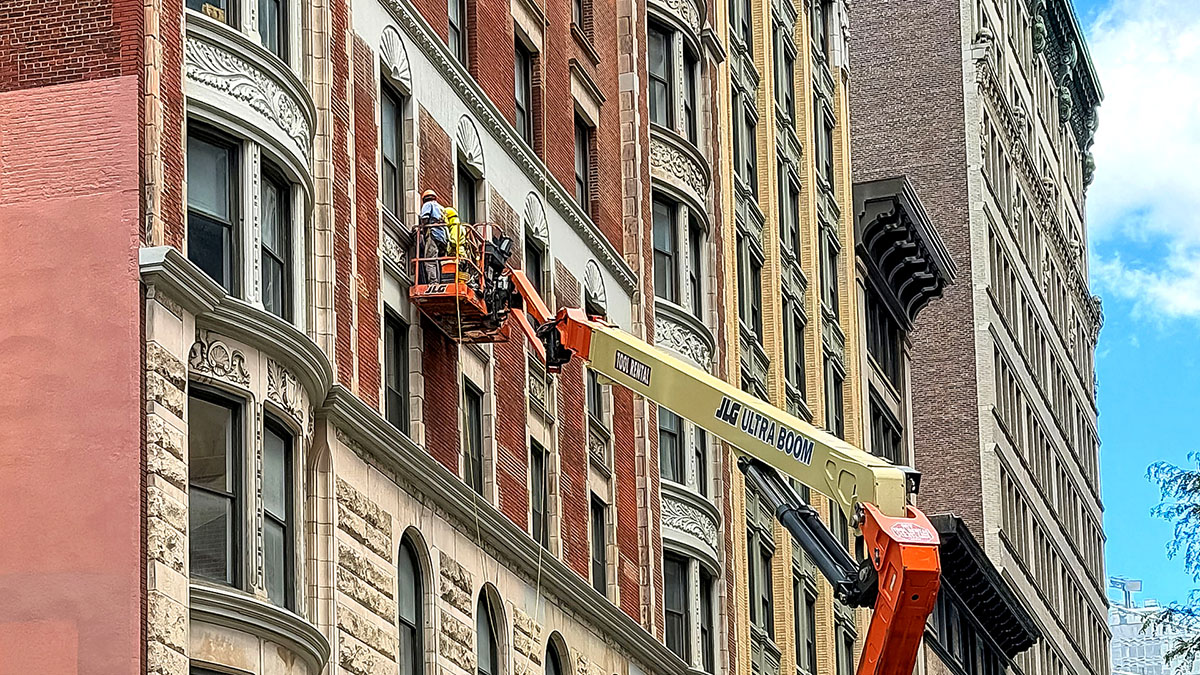
For Cycle 10A buildings that have not started the FISP process, time is already limited. Cycle 10B buildings are in an active filing window, and Cycle 10C buildings should be preparing now before the next wave of inspections begins.
As each Facade Inspection Safety Program (FISP) filing window advances, more buildings begin looking for Qualified Exterior Wall Inspectors (QEWIs), access providers, contractors, sidewalk sheds, and repair support at the same time. The later a building waits, the harder and potentially more expensive the process can become, especially for buildings with complex facades, difficult access conditions, prior SWARMP items, or repair needs that require board review, funding approval, contractor coordination, or specialized access.
Waiting Can Affect Cost and Availability
For any building subject to FISP, lead time matters. The inspection process requires coordination among the owner, managing agent, QEWI, access provider, and, in some cases, contractors or sidewalk shed companies. Starting well before the filing deadline gives the project team more time to review prior FISP conditions, evaluate access needs, complete close-up inspections, prepare the report, and respond to what the inspection finds.
Buildings that require industrial rope access, drone surveys, sidewalk sheds, or other specialized access may need additional time for planning, filings, approvals, and field coordination before inspection work can begin.
As more buildings move toward the same deadline, experienced teams may have less availability and scheduling can become less flexible. Waiting can also increase costs, particularly when consultant availability is limited or specialized access, sidewalk sheds, contractors, and repair support need to be coordinated on a tighter schedule.
Late Findings Can Limit Planning Options
A FISP inspection may identify SWARMP or Unsafe conditions, as well as deterioration that should be monitored, investigated further, or incorporated into future repair planning.
When those issues are identified earlier, owners have more time to evaluate repair exposure, obtain pricing, review funding options, coordinate access, and communicate with residents, shareholders, or unit owners.
That lead time is especially important for buildings with aging masonry, terra cotta, stone, lintels, balconies, cornices, parapets, or prior SWARMP or Unsafe conditions.
Late Filing Penalties Can Add Up
Scheduling late in the cycle can leave less room for unexpected delays before the initial report is filed. If access is more complicated than anticipated, weather affects close-up inspections, or additional coordination is needed, those delays can put the filing deadline at risk.
DOB penalties apply after the filing period ends, including $1,000 per month for late filing of the initial report and $5,000 per year for failure to file. For a building with no acceptable report filed, those penalties can add up to $17,000 in the first year after the deadline.
Do You Know Your Cycle 10 Filing Window?
For buildings subject to FISP, Cycle 10 filing windows are based on the last digit of the building’s block number:
Sub-cycle 10A: blocks ending in 4, 5, 6, or 9
Filing period: February 21, 2025 to February 21, 2027
Sub-cycle 10B: blocks ending in 0, 7, or 8
Filing period: February 21, 2026 to February 21, 2028
Sub-cycle 10C: blocks ending in 1, 2, or 3
Filing period: February 21, 2027 to February 21, 2029
If your building is in Cycle 10A, action is urgent. Cycle 10B buildings are already in their filing window, and Cycle 10C buildings can benefit from reserving time before schedules become more crowded.
How RAND Can Help
RAND helps New York City building owners, co-op and condo boards, and property managers navigate FISP inspections, facade repair programs, and DOB compliance requirements.
Our team includes Qualified Exterior Wall Inspectors, building envelope specialists, architects, engineers, industrial rope access professionals, drone pilots, and construction administration staff who understand the technical and practical realities of working on occupied buildings in New York City.
Need to schedule your FISP inspection?
RAND can help evaluate your filing window, access needs, prior FISP conditions, and next steps. Contact us to discuss your building’s Cycle 10 inspection schedule: fisp@rand.com or (212) 675-8844.