
Electrical Upgrades
By Stephen Varone, AIA and Peter Varsalona, PE
I live in a pre-war co-op with a very old electrical system. Fuses blow regularly, even when running light appliances such as a toaster or an iron. Several other shareholders I’ve talked to are experiencing the same problem. How does the board determine if the building as a whole needs an electrical system upgrade or if the problem lies within the individual apartments? And who is responsible for the cost of the upgrade: the cooperative or the shareholders who are affected?
If you and other shareholders are constantly blowing fuses in an old building, chances are the problem is building-wide, especially if the original electrical system has not been replaced or upgraded in a long time (if ever). Upgrading the building’s electrical system will increase the overall electrical capacity. This increased capacity will give shareholders the potential to use more electrical power, but only if the existing wiring in the individual units can handle it. So even after the main upgrade, shareholders may still need to address deficiencies in the electrical components in their individual apartments.
In New York City, Consolidated Edison supplies power to properties. In a typical setup, Con Ed’s main service feeders enter a building within a property line or end box. This point is the beginning of a building’s internal electrical system. Main conductors extend from the end box via a conduit or wireways to service switches, which in turn provide power to various panel boards, equipment load centers, and/or meter banks.
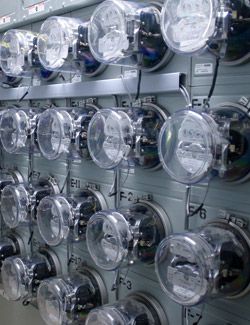
Master Meter vs. Submeters
In some cases, a master meter is in place to measure the amount of electricity being used in the building as a whole. Residents pay that cost as part of their monthly maintenance bill, apportioned based on usage. In other cases, individual apartment meter banks are provided and residents pay for their own electrical consumption directly to Con Ed or to an alternate submetering firm.
From the meter banks (or main panel boards), common or individual electrical risers bring service up to either a line of apartments or to individual units, respectively. In the case of common line risers, branch feeders connect the risers to each apartment panel. In either case, electricity is delivered to a fuse box or circuit breaker panel in each apartment, upon which the electrical supply is carried to separate circuits that supply power to outlets and lights.
Dedicated circuits are recommended for heavy-duty appliances, such as air conditioners, dishwashers, and dryers.
Many pre-war buildings have only two or four circuits per apartment, which was more than adequate when the buildings were constructed. Modern-day electrical demands, however, often outstrip the capacity of older electrical configurations. Frequently blown fuses may be a sign that the existing setup in your apartment is not sufficient to handle your typical electrical usage.
Adding new circuits, and therefore more outlets, in your unit will reduce the load on existing circuits. In particular, you may want to consider dedicated circuits for heavy-duty appliances, such as air conditioners, dishwashers, dryers, and the like. Such heavy-capacity circuits will help prevent overload and reduce the potential for electrical fires, especially in old wiring systems that may be fraying.
In any event, the first step in determining what components need to be upgraded is for the owners corporation to conduct a survey of the building’s electrical system to evaluate reported deficiencies and complaints and determine the condition, life expectancy, and anticipated replacement cost of electrical components. Residents who are experiencing problems may also want to have an evaluation done of the electrical components in their own apartments, especially if the building’s overall electrical system is found to be adequate to handle current loads.
Load Calculation
If shareholders request additional power into the building because of increased usage, the electrical evaluation should entail a load calculation to determine how much additional capacity, if any, is required. The New York City building code specifies three types of electrical loads: a lighting and general receptacle load, a kitchen appliance load, and an air conditioning load. Current usage and requirements for reasonable future demands are often calculated as well. The load capacity for all the apartments and common areas are totaled and compared to the building’s existing load capacity to determine whether an electrical upgrade is necessary.
If the demand load outstrips capacity, the main power into the building will have
to be increased.
If the demand load outstrips capacity, then the main power into the building will eventually need to be increased. Before installing additional electrical service, however, the owners corporation must submit a request to Con Ed, stating why the extra power is needed (for example, for the installation of window air conditioners). If only a few residents want more power for their apartments, the demand may not justify the need for more power from Con Ed.
Sometimes the demand for increased power is within the building’s overall capacity, except for a few residents who have especially heavy usage. In such cases, the upgrade will be limited to bringing additional power to those individual apartments, usually through new risers. Once a few residents are permitted increased electrical capacity, however, others may request the same. The owners corporation may then find itself in the position of needing more power for the building as a whole, and, as described above, it will have to request it from Con Ed.
Feasibility Study
To provide you with the information needed to make an informed decision about whether to convert your heating system, it pays to have an engineering firm or heating consultant first conduct a feasibility study. The study should determine your building’s existing heating requirements and fuel usage, project the new gas load, calculate the costs for new gas service and new equipment, and estimate what the annual savings and expected payback time would be for the conversion. Keep in mind that projected savings and payback periods will change with the fluctuating costs of home heating fuels.
Converting from oil to gas may require a number of capital costs.
If your board decides it is feasible to convert your heating plant from oil to gas, be aware of the timeframe involved. The entire process, from the initial feasibility study to when the new system is ready for operation, can take up to eight months. During that time, the building’s expected gas usage must be submitted to the utility company for review and approval, and the utility will specify the design and size of the gas piping, meters, valves, and service equipment. To minimize disruption to residents, the installation of the new system should ideally take place in the summer when the building’s heating requirements are minimal.
While an oil-to-gas conversion can reduce your building’s heating costs, don’t overlook poorly performing systems and components that can squander those savings. For example, even a newly converted or upgraded heating system cannot compensate for inefficiently distributed heat. This common problem often leads to lower-floor residents opening their windows to let their overheated apartments cool down while upper-floor residents feel chilly because not enough heat reaches their units.
Heat is also lost though drafty windows, insufficient insulation throughout the building, and deteriorating facades and roofs that allow water and cold air to seep in. Addressing these items will go a long way in retaining the benefits of your building’s newly converted heating system.
Stephen Varone, AIA is president and Peter Varsalona, PE is principal of RAND Engineering & Architecture, DPC. This column was originally published in the November 2008 issue of Habitat Magazine.
Who Pays for the Electrical System Upgrade?
The answer to who pays for the cost of an electrical upgrade is determined by the reasons and extent of the upgrade. If the upgrade is driven by an overall shareholder demand for greater power, especially if the demand outstrips current capacity, the owners corporation usually assumes the costs. (Two appliance circuits in each apartment’s kitchen are typically included in such an upgrade.) Individual shareholders, however, are responsible for any costs associated with bringing additional power to their apartment service box because of special demands or extra heavy usage. Similarly, an upgrade of electrical components located after the apartment service box (e.g., new circuits or wiring within the apartment, beyond the standard two appliance circuits) are also usually paid for by the shareholder.
After the upgrade, the owners corporation will have to decide how to charge for the additional electrical capacity. If each apartment has its own submeter, the shareholder will pay the electrical charges directly to Con Ed or a submetering firm. If, however, the owners corporation is charging for electrical usage as part of the monthly maintenance fee, it will have to determine how to apportion the costs to fairly reflect the different levels of usage among residents.
Finally, keep in mind that an electrical upgrade is a disruptive process, involving the temporary suspension of power, demolition of walls, and the possibility of disturbing asbestos and, especially in pre-war buildings, lead-based paint. Work permits must be obtained from the Department of Buildings, and an asbestos survey will also need to be conducted before work can begin.
Stephen Varone, AIA is president and Peter Varsalona, PE is principal of RAND Engineering & Architecture, DPC. This column was originally published in the April 2003 issue of Habitat Magazine.