
Jersey City Structural and Facade Inspection Requirements
What is Jersey City Ordinance 21-054?
In direct response to the tragic Champlain Towers South Condominium collapse in South Florida that killed 98 people in June 2021, and amid growing concerns for building safety, Jersey City enacted Building Ordinance 21-054 in August 2021 requiring routine facade and structural inspections of certain buildings in Jersey City.
Ordinance 21-054, as amended by Ordinance 25-122 in November 2025, establishes inspection, reporting, repair, and filing requirements for covered properties. The 2025 amendment changed the required facade inspection interval from five years to ten years and established when new buildings must undergo their initial facade inspection.
The inspection requirements are codified in Chapter 254 (Property Maintenance) with associated fees established under Chapter 160 (Fees and Charges) of the Jersey City Municipal Code. Jersey City’s program was modeled after inspection ordinances in other major cities, including New York City’s Facade Inspection Safety Program (FISP), which has been in effect since 1980.
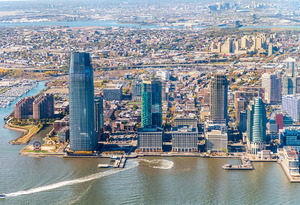
Certain Jersey City buildings are subject to structural and facade inspections under separate applicability requirements.
Which Buildings Are Subject to Jersey City’s Inspection Requirements?
Structural and facade inspections must be conducted by a licensed Registered Architect or Professional Engineer according to the following requirements.
Structural Inspection Requirements
Applies To: Concrete buildings taller than six (6) stories.
Inspection Scope: The inspection must include:
- Foundations
- Balconies
- All structural members
- Waterproofing
A checklist for the visual inspection can be found here.
Filing Deadlines: Inspections must be conducted every ten years and filing must be completed by December 31 of the year an inspection is required. The initial structural inspection was required by December 31, 2022. Subsequent inspections must include a complete review of the most recent report.
Facade Inspection Requirements
Applies To:
- Any building taller than six stories
- Any building with a masonry facade four stories or higher
Inspection Scope: The inspection must include, but is not limited to, all exterior walls and appurtenances. A checklist for the visual inspection can be found here.
Filing deadlines: Facade inspections must be conducted every ten years and completed by December 31 of the year in which an inspection is required. Existing buildings subject to the ordinance were required to complete their initial facade inspection by December 31, 2023. The next recurring inspection deadline for those buildings is December 31, 2033.
A new building is exempt from its initial facade inspection until the eighth year following the erection or installation of its exterior walls or appurtenances, based on the issuance date of its temporary or final certificate of occupancy.
Subsequent facade inspections must include a complete review of the most recent report.
What Must the Inspection Reports Include?
Following the structural and facade inspections, written reports prepared by a licensed Registered Architect or Professional Engineer must be submitted to the Jersey City Division of the Construction Code Official within 30 days of the inspection.
The inspection reports must:
- Certify the results of the inspection.
- Clearly document the condition of the building’s structure (in the case of a structural inspection) or building’s facade (for facade inspections), and note the conditions as safe or unsafe.
- If needed, provide repair and maintenance recommendations including a timeline for which all repairs must be made.
What Happens if Repairs Are Required?
If an inspection indicates that structural or facade repairs are required, the property owner or its Board of Directors or Managers must immediately take any measures needed to protect public safety and complete the repairs within the timeline established in the inspection report.
Once the repairs are completed, the Registered Architect or Professional Engineer must reinspect the building to confirm that the repairs were properly made. The property owner must then file an amended inspection report within 30 days of completing the repairs.
What are the filing fees?
Property owners are responsible for submission fees for each report, payable to the Jersey City Office of the Construction Code Official.
Structural Inspections $100.00 per structural inspection report
Facade Inspections $100.00 per facade inspection report
What Are the Penalties for Noncompliance?
Violations are subject to Jersey City’s general penalty provisions. A court may impose a fine of up to $2,000, imprisonment for up to 90 days, community service for up to 90 days, or a combination of these penalties.
Each day that a violation continues may be treated as a separate offense. Failure to secure or correct an unsafe condition within the required timeframe may also be treated as a separate violation and subject to additional penalties.
What Inspection Methods May Be Used?
Traditional visual inspections may include the use of long camera lenses and high-powered binoculars but can be limited in their ability to identify facade conditions high above the ground. Unmanned aerial vehicles, commonly known as drones, may be used for closer inspection and documentation of areas that are difficult to view from the ground.
Drones can capture detailed, high-resolution photographs and video of high-rise facades and other difficult-to-access areas. This documentation can also create a record for comparison during subsequent inspection cycles.
If the Registered Architect or Professional Engineer performing the visual inspection recommends further hands-on examination, swing scaffolds, window-washing rigs, or other access methods may be used.
How Comprehensive Are Jersey City’s Required Inspections?
The inspections required under Jersey City’s ordinance are limited to visible portions of the structure and facade. They do not include hands-on examinations, probes, infrared investigations, physical testing, or verification of the adequacy or code compliance of the structural design.
These visual inspections are not intended to substitute for a comprehensive facade or structural investigation. Additional evaluation may be recommended based on the conditions observed during the mandated inspection.
Do New Jersey’s Statewide Structural Inspection Requirements Also Apply?
Jersey City’s municipal structural inspection requirement applies specifically to concrete buildings taller than six stories. Residential condominium and cooperative buildings may also be subject to New Jersey’s separate Structural Integrity Law, which took effect on January 8, 2024.
The statewide law covers qualifying condominium and cooperative buildings with primary load-bearing systems composed of concrete, masonry, steel, or hybrid structures, including heavy timber and buildings with podium decks. Unlike Jersey City’s municipal structural requirement, the statewide law does not use building height or number of stories to determine whether a building is covered.
A property may be subject to Jersey City’s municipal requirements, New Jersey’s statewide requirements, or both. Owners and associations should evaluate the two inspection programs separately.
How Can RAND Help?
RAND has been conducting facade inspections and designing and administering associated repair work since 1987. Our team of licensed Structural Engineers and Registered Architects specializes in structural and facade inspections, reports, and repair programs.
RAND can assist property owners, managers, condominium associations, and cooperative boards with:
- Jersey City structural and facade inspections
- Inspection reports and municipal filings
- New Jersey structural integrity inspections
- Repair recommendations and planning
- Design and bidding for required repairs
- Construction administration
- Follow-up inspections and amended reports
To discuss your building’s inspection requirements or request a proposal, contact RAND at 212-675-8844 or info@randpc.com.