
Resources
Articles, guides, and videos from RAND’s engineers and architects on building systems, inspections, energy performance, capital planning, regulatory compliance, and adaptive reuse for existing buildings and new construction, and more.
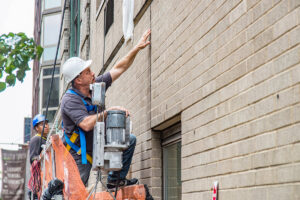
NYC Facade Inspection Safety Program (FISP) Fact Sheet
Answers to Frequently Asked Questions on NYC’s Facade Inspection and Safety Program (Local Law 11/98).

NYC Parking Garage Inspection Requirements: PIPS and Local Law 126
Which NYC parking structures are covered by PIPS? Review Local Law 126 inspection and filing requirements, deadlines, classifications, repair obligations, and penalties.

NYC Annual Parapet Inspection Requirement Fact Sheet
NYC parapet inspection requirements, annual deadlines, report rules, and Local Law 126 compliance guidance for building owners and property managers.
Local Law 97 Compliance Guide
NYC Local Law 97 requirements, deadlines, emissions limits, and compliance strategies for building owners and managers.
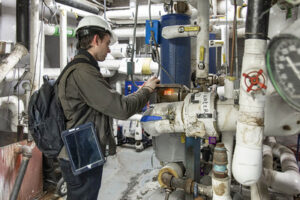
Surveying Your Building's Condition
A guide to physical condition surveys for NYC buildings, including what they cover and how they support repair planning and capital budgeting.
Directory
Browse by topic
NYC Facade Inspection Safety Program (FISP) Fact Sheet
Answers to Frequently Asked Questions on NYC’s Facade Inspection and Safety Program (Local Law 11/98).
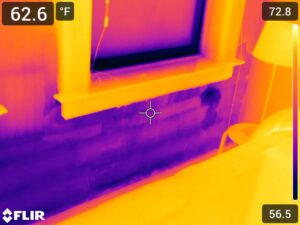
FISP Repairs and Water Infiltration: Planning with Leak History in Mind
When facade repairs and water infiltration concerns overlap, leak history can play an important role in repair planning. RAND looks at how FISP repairs, concealed wall conditions, access, scope, and long-term repair strategy may intersect in older New York City buildings.

Can Drones Be Used for FISP Inspections in NYC?
Drones can support FISP inspections in NYC, but they do not replace required close-up inspections. Learn how drone surveys fit into facade evaluation, documentation, and access planning.
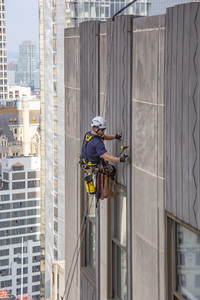
Rope Access Facade Inspections
Drones provide a safe and cost-effective way to perform visual building evaluations.
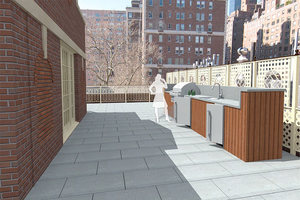
Roof Project Questionnaire
Key questions to evaluate roof conditions and plan repairs, alterations, or replacement.
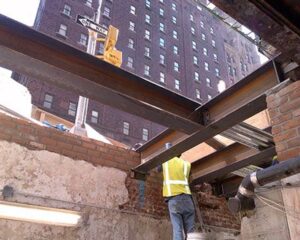
Replacing a Sidewalk Vault
Vault spaces are prone to leaks and deterioration, which can cause structural damage over time.
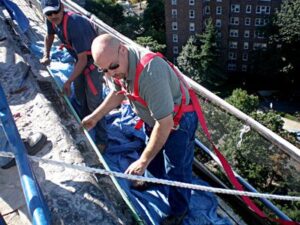
Exterior Repair Contracts
What an exterior repair contract should cover, including payment terms, supervision, safety, and protection for owners.
Roof Warranties: What They Cover and What They Don’t
What roof warranties cover, key limitations, and how to evaluate terms before starting a project.
Installing a Roof Deck
What goes into a successful roof deck, from structural support and waterproofing to drainage and long-term performance.
Roof Replacement: Hot vs. Cold Roofing Systems
Key factors in roof replacement, including hot vs. cold systems, roof deck conditions, and planning for long-term performance.
View all resources on this topic
Re-piping a Domestic Water System
Corroded steel piping in old plumbing systems will eventually need to be replaced with new copper tubing.
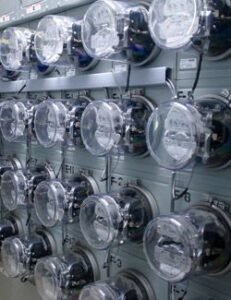
Electrical Upgrades
What building owners should know about electrical upgrades, from service capacity to code-related improvements.
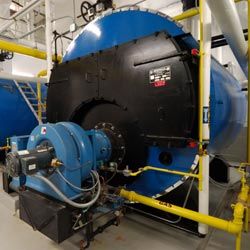
Converting From Oil to Gas
What building owners should know about converting from oil to gas, from system planning and utility coordination to costs and long-term operation.
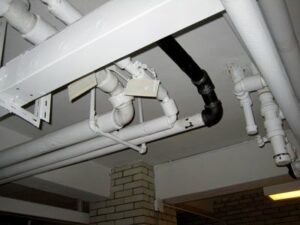
Re-piping a Leaky Gas System
What building owners should know about gas repiping, from leak isolation and pressure testing to code requirements and restoration of service.
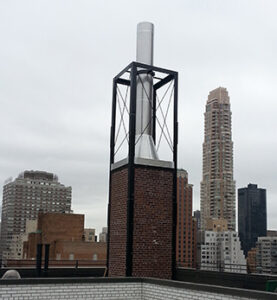
Chimney Liners and Extensions
Converting a heating plant from oil to gas often requires installing a liner and/or an extension to the chimney.
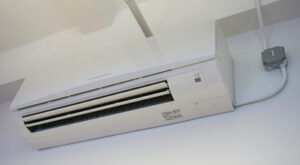
Split Air Conditioning Systems
Split A/C systems are increasingly popular because of their low-profile design and ease of installation.
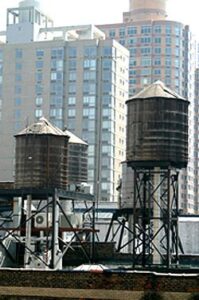
Fixing Brown Water and Low Pressure
Reinstalling a roof tank and replacing corroded piping can fix a building’s plumbing problems.
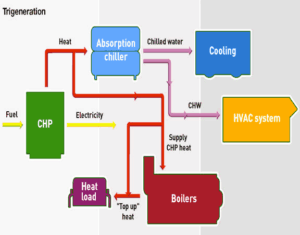
Installing a Cogeneration System
Producing electricity and heat simultaneously reduces electrical demand and heating costs.
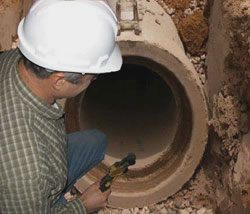
Repairing a Sewer Line
A cured-in-place method is used for minor repairs, but more extensive damage requires excavation and replacement.
Elevator Upgrades
Abrupt movements, doors that stick, and uneven stops are signs that an elevator needs an overhaul.
View all resources on this topic
Fort Lee Parking Structure Inspections (Ordinance 2025-17): Compliance Requirements for Owners and Managers
Fort Lee’s new Ordinance 2025-17 puts parking structure inspections on the calendar. Get a clear, owner-focused breakdown of who must comply, what a NJ PE will evaluate, how the Safe/SREM/Unsafe ratings work, and the filing and repair timelines that can affect operations and budgeting.
Ask the Engineer: How to Evaluate Damage from Adjacent Construction
How structural evaluations and pre-construction surveys help identify damage from adjacent construction.
Replacing a Sidewalk Vault
Vault spaces are prone to leaks and deterioration, which can cause structural damage over time.
Ask the Engineer: Retaining Walls
Retaining wall issues, warning signs, and repair considerations for buildings, including when to investigate and how failures develop.
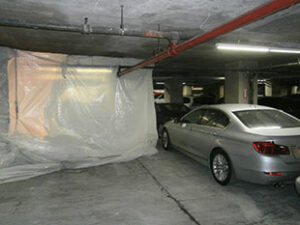
Planning Parking Garage Repairs: Minimizing Disruption and Costs
Parking garage repairs require careful planning to manage construction schedules, parking access, costs, and unforeseen conditions. Learn how phased construction and effective coordination can help minimize disruptions.
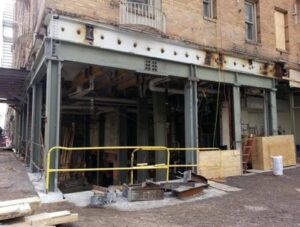
Second Avenue Subway Construction
Important steps building owners should take to ensure safety and protection from adjacent heavy construction and demolition.
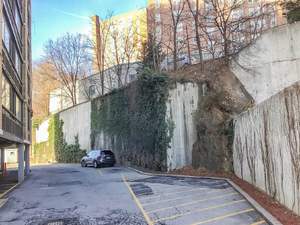
Local Law 37 Retaining Wall Inspections in NYC
NYC Local Law 37 requires periodic retaining wall inspections and DOB filings for qualifying walls. Learn the requirements, who must inspect, and how to comply.
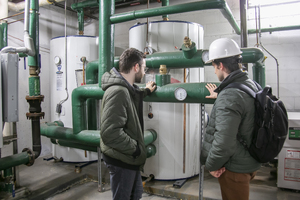
Integrated Physical Needs Assessments (IPNAs)
How IPNAs help evaluate building condition, energy and water performance, and health-related improvements in affordable multifamily housing.
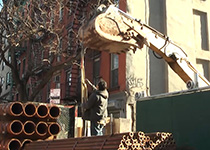
Adjacent Construction Monitoring
RAND Structural Engineer Christine Hobson explains why a structural evaluation is recommended for buildings near a new construction site.
View all resources on this topic
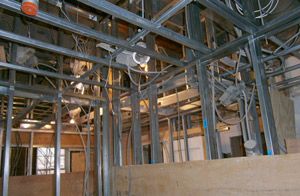
Interior Renovations
An engineer/architect should review proposed alternations to make sure they don’t damage building-wide systems.
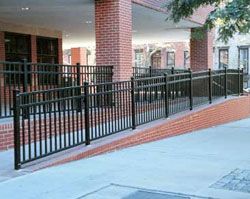
Installing an ADA-Compliant Ramp
A ramp must meet requirements concerning the incline, handrails, and doors.

Feasibility Studies for Amenity Spaces
A feasibility study helps determine if a proposed building amenity is viable and can save time and money.

Making an Entrance Accessible
What changes must a landlord make to lobby steps to accommodate people with disabilities?
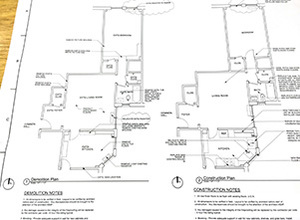
Review of Proposed Apartment Alterations
Plans to renovate an apartment must first be reviewed by an engineer or architect.
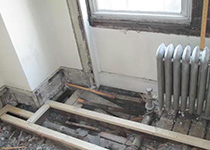
Apartment Alterations
RAND Senior Architect Suzanna Takayama, RA discusses what should be reviewed when residents propose alterations to their apartments.
View all resources on this topic
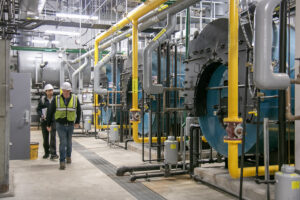
Local Law 97 Reporting: What Comes Next for Your Building?
Local Law 97 reporting can raise larger questions about building systems, data accuracy, capital planning, and future compliance. RAND explains what owners and managers should be evaluating after the annual filing.
Ask the Engineer: Local Law 87 and Energy Audits in NYC
An “Ask the Engineer” column by RAND President Stephen Varone, AIA and Principal Peter Varsalona, PE explaining Local Law 87, energy audits, and retro-commissioning for co-op and condo boards in New York City.
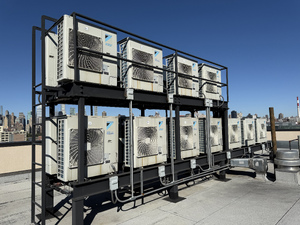
NYC Building Decarbonization Roadmap for Local Law 97
Meeting today’s Local Law 97 limits does not mean a building is ready for 2030. Learn how a decarbonization roadmap can help NYC property owners prioritize energy upgrades, plan capital spending, and reduce emissions over time.
Local Law 88 Compliance Guide: Lighting Upgrades and Sub-metering
Learn who Local Law 88 applies to and what it requires for lighting and sub-metering.
New NYC Law Mandates Electric Vehicle (EV) Charging Stations in Parking Garages: What Property Owners and Managers Need to Know
Understand Local Law 55 of 2024 and its impact on EV charging infrastructure in New York City parking facilities.
NYC Local Law 87 Compliance
Local Law 87 requirements for NYC buildings, including energy audits, retro-commissioning, EER filing, deadlines, penalties, and how to plan compliance.
Split Air Conditioning Systems
Split A/C systems are increasingly popular because of their low-profile design and ease of installation.
Installing a Cogeneration System
Producing electricity and heat simultaneously reduces electrical demand and heating costs.
Making Your Repair Projects Green
Products and materials that help keep projects environmentally friendly.
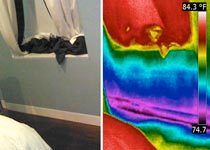
Infrared Thermography: See Your Building in a New Light
A non-destructive diagnostic tool, infrared thermography can detect hidden problems throughout a building.
RAND Joins NYSERDA's Multifamily Building Solutions Network
NYSERDA Multifamily Building Solutions Network Providers work with residential owners to improve the energy efficiency of their buildings.
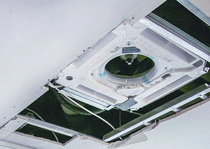
Energy Incentives for New York Buildings
Energy incentives for New York buildings, including federal tax credits, New York State programs, utility rebates, and NYC incentives for energy upgrades and Local Law 97 planning.
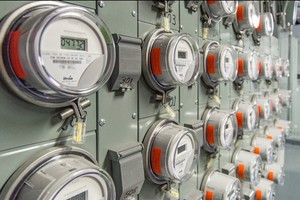
NYC Benchmarking Law: Local Law 84 Compliance Guide for Building Owners
Local Laws 84/09 and 133/16 require property owners to submit an annual analysis of energy usage.
New York City's Energy Efficiency Legislation Mandates Benchmarking, Energy Audits, and Retro-commissioning
New local laws mandate benchmarking, energy audits, and retro-commissioning.
View all resources on this topic
Ask the Engineer: How to Evaluate Damage from Adjacent Construction
How structural evaluations and pre-construction surveys help identify damage from adjacent construction.
Surveying Your Building's Condition
A guide to physical condition surveys for NYC buildings, including what they cover and how they support repair planning and capital budgeting.
Finding—and Fixing—Construction Defects
To address problems in new construction, start with a forensic survey.
Ask the Engineer: Special Inspections
The DOB has tightened requirements for Special Inspections, which apply to most repair projects.
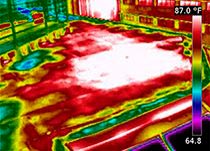
Detecting Leaks with Infrared Thermography
Infrared Thermography reveals hidden defects throughout a building.
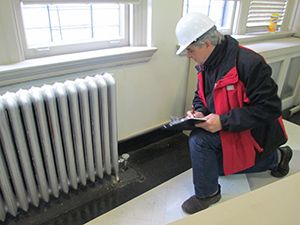
Doing Due Diligence Before Buying
A pre-purchase survey can uncover defects that could mean higher maintenance costs later on.
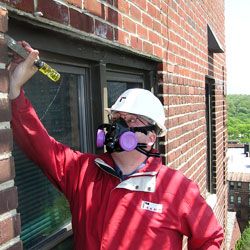
Testing For Asbestos
An asbestos survey is part and parcel of most repair jobs.
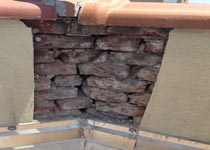
Investigative Probes
By uncovering hidden conditions, investigative probes help minimize surprises during construction.
Africa Israel Sued for Not Disclosing RAND Report
The developer of 20 Pine Street failed to disclose RAND’s report, which listed $5.6 million in defects.
Lack of Luxury
RAND’s physical condition survey of the Empire Condominium uncovered a host of defective conditions.
The 7 Worst Places to Live in a Building
RAND looks at which areas inside a building pose the greatest potential for problems.
Local Law 37 Retaining Wall Inspections in NYC
NYC Local Law 37 requires periodic retaining wall inspections and DOB filings for qualifying walls. Learn the requirements, who must inspect, and how to comply.
Learn to Spot Building Defects before Buying
Prospective buyers should be aware of common defects in newly constructed condominiums.
The Top 7 Construction Defects
New doesn’t mean flawless. Leaks and other deficiencies are often found in recently built properties.
View all resources on this topic
Lead Paint Compliance in NYC: What Building Owners Need to Know
Lead Paint Law Compliance: XRF Inspections Required for NYC Buildings by August 2025 Under Local Law 31 of 2020, and reinforced by Local Laws 111, 122, and 123 of 2023, most residential buildings constructed before 1960 must complete certified XRF inspections of apartments and common areas by August 9, 2025. Building owners must now conduct…

How to Compare FISP Inspection Proposals
Choosing between FISP inspection proposals? Learn how to compare inspection plans, access, QEWI experience and capacity, included services, fees, schedules, and potential additional costs.
Local Law 97 Reporting: What Comes Next for Your Building?
Local Law 97 reporting can raise larger questions about building systems, data accuracy, capital planning, and future compliance. RAND explains what owners and managers should be evaluating after the annual filing.
Ask the Engineer: Local Law 87 and Energy Audits in NYC
An “Ask the Engineer” column by RAND President Stephen Varone, AIA and Principal Peter Varsalona, PE explaining Local Law 87, energy audits, and retro-commissioning for co-op and condo boards in New York City.
NYC Local Law 87 Compliance
Local Law 87 requirements for NYC buildings, including energy audits, retro-commissioning, EER filing, deadlines, penalties, and how to plan compliance.
Installing an ADA-Compliant Ramp
A ramp must meet requirements concerning the incline, handrails, and doors.
Managing the Landmarks Process
The LPC requires owners to preserve the architectural integrity of the building’s original design.
Amending a Certificate of Occupancy
Whenever a building changes its use, egress, or occupancy, it must file for an amended C of O.
Permit Requirements
Which types of projects require permits and what kind are needed?
Local Law 152 of 2016: NYC Gas Piping Inspection Requirements
A guide to NYC Local Law 152 gas piping inspection requirements, including who must comply, what the inspection covers, filing steps, deadlines, and penalties.
Local Law 37 Retaining Wall Inspections in NYC
NYC Local Law 37 requires periodic retaining wall inspections and DOB filings for qualifying walls. Learn the requirements, who must inspect, and how to comply.
Understanding Tenant Protection Plan (TPP) Compliance in NYC: A Guide for Building Owners
Protecting the safety of tenants during construction is required by law.
Facade-Report Time, With a Difference
Repair and maintenance items from previous inspections cannot be carried over to the next cycle.
A Little Leeway on Facade Repairs
An alternative filing program gives building owners some breathing room with facade inspections.
View all resources on this topic
How to Compare FISP Inspection Proposals
Choosing between FISP inspection proposals? Learn how to compare inspection plans, access, QEWI experience and capacity, included services, fees, schedules, and potential additional costs.
NYC Facade Inspection Safety Program (FISP) Fact Sheet
Answers to Frequently Asked Questions on NYC’s Facade Inspection and Safety Program (Local Law 11/98).
FISP Repairs and Water Infiltration: Planning with Leak History in Mind
When facade repairs and water infiltration concerns overlap, leak history can play an important role in repair planning. RAND looks at how FISP repairs, concealed wall conditions, access, scope, and long-term repair strategy may intersect in older New York City buildings.
Can Drones Be Used for FISP Inspections in NYC?
Drones can support FISP inspections in NYC, but they do not replace required close-up inspections. Learn how drone surveys fit into facade evaluation, documentation, and access planning.
Cutting Corners and Band-Aid Fixes
So-called cheap and easy fixes only lead to more leaks and expensive repairs down the line.
A Little Leeway on Facade Repairs
An alternative filing program gives building owners some breathing room with facade inspections.
Dismantling the Scaffolding
Staggered deadlines for NYC Local Law 11/98 offer a more realistic timetable for conducting inspections and filing reports.

Drone Surveys for Building Facades, Roofs, and Exterior Conditions
Learn how drone surveys support building envelope evaluations, facade assessments, roof surveys, FISP support, leakage investigations, infrared imaging, and access planning.
Facade Inspection Safety Program
RAND President Stephen Varone, AIA explains the details of filing an 8th Cycle Facade Inspection Safety Program (FISP) report.
Enclosed Balconies and FISP: What NYC Owners Need to Know
What NYC owners should know about enclosed balconies, FISP inspections, and current safety requirements.
View all resources on this topic
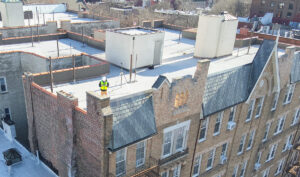
Can FISP Cover Your Annual Parapet Inspection?
For buildings undergoing FISP, a separate annual parapet observation may not always be required. But one report can serve both purposes only when the inspection scope and documentation meet DOB’s annual parapet rule.
Roof Warranties: What They Cover and What They Don’t
What roof warranties cover, key limitations, and how to evaluate terms before starting a project.
Installing a Roof Deck
What goes into a successful roof deck, from structural support and waterproofing to drainage and long-term performance.
Roof Replacement: Hot vs. Cold Roofing Systems
Key factors in roof replacement, including hot vs. cold systems, roof deck conditions, and planning for long-term performance.
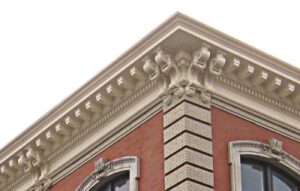
Replacing a Cornice
Replacement materials replicate the style of an original cornice at lower cost and maintenance.
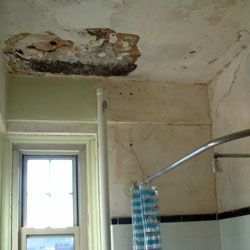
How to Prevent Roof Leaks
Why roof leaks occur and how proper maintenance and repairs help prevent recurring water infiltration.
NYC Annual Parapet Inspection Requirement Fact Sheet
NYC parapet inspection requirements, annual deadlines, report rules, and Local Law 126 compliance guidance for building owners and property managers.
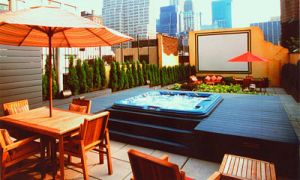
Using the Roof in a Co-op or Condo
Key considerations for roof use in co-ops and condos, including safety, maintenance, and long-term impact on the roof system.
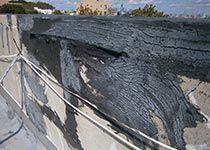
Roof Maintenance and Inspections
How regular roof inspections and maintenance help prevent leaks, extend service life, and reduce repair costs.
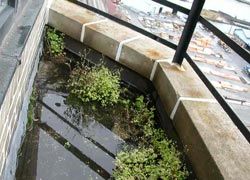
How to Find and Fix a Roof Leak
How to find the source of a roof leak, common causes, and what goes into effective repair.
View all resources on this topic
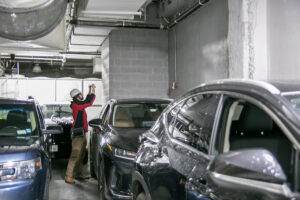
PIPS Cycle 1C Parking Garage Inspections: Your Questions, Answered
New York City’s Periodic Inspection of Parking Structures (PIPS) program, also known as Local Law 126, requires qualifying parking structures to undergo periodic condition assessments and file compliance reports with the NYC Department of Buildings. For parking structures in the Bronx, Queens, and Staten Island, the current PIPS Cycle 1C filing window is open. Who…
Fort Lee Parking Structure Inspections (Ordinance 2025-17): Compliance Requirements for Owners and Managers
Fort Lee’s new Ordinance 2025-17 puts parking structure inspections on the calendar. Get a clear, owner-focused breakdown of who must comply, what a NJ PE will evaluate, how the Safe/SREM/Unsafe ratings work, and the filing and repair timelines that can affect operations and budgeting.
Planning Parking Garage Repairs: Minimizing Disruption and Costs
Parking garage repairs require careful planning to manage construction schedules, parking access, costs, and unforeseen conditions. Learn how phased construction and effective coordination can help minimize disruptions.
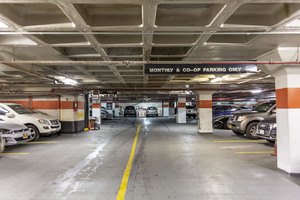
Maintenance Best Practices for Parking Structures
Following these maintenance practices enhances will parking structure safety, prolong their lifespan, and minimize expensive repairs.
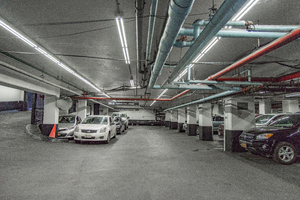
New York State Parking Garage Inspections Fact Sheet
Parking garages in New York State must be inspected by a qualified engineer every three years.
NYC Parking Garage Inspection Requirements: PIPS and Local Law 126
Which NYC parking structures are covered by PIPS? Review Local Law 126 inspection and filing requirements, deadlines, classifications, repair obligations, and penalties.
Parking Structure Safety & NYC Periodic Inspection of Parking Structures Program (per Local Law 126) Compliance Webinar
A webinar on NYC Periodic Inspection of Parking Structures (PIPS) per Local Law 126 compliance and effective garage maintenance guidance.
View all resources on this topic
Ask the Engineer: Local Law 87 and Energy Audits in NYC
An “Ask the Engineer” column by RAND President Stephen Varone, AIA and Principal Peter Varsalona, PE explaining Local Law 87, energy audits, and retro-commissioning for co-op and condo boards in New York City.
Local Law 88 Compliance Guide: Lighting Upgrades and Sub-metering
Learn who Local Law 88 applies to and what it requires for lighting and sub-metering.
New NYC Law Mandates Electric Vehicle (EV) Charging Stations in Parking Garages: What Property Owners and Managers Need to Know
Understand Local Law 55 of 2024 and its impact on EV charging infrastructure in New York City parking facilities.
Energy Incentives for New York Buildings
Energy incentives for New York buildings, including federal tax credits, New York State programs, utility rebates, and NYC incentives for energy upgrades and Local Law 97 planning.
NYC Benchmarking Law: Local Law 84 Compliance Guide for Building Owners
Local Laws 84/09 and 133/16 require property owners to submit an annual analysis of energy usage.
New York City's Energy Efficiency Legislation Mandates Benchmarking, Energy Audits, and Retro-commissioning
New local laws mandate benchmarking, energy audits, and retro-commissioning.
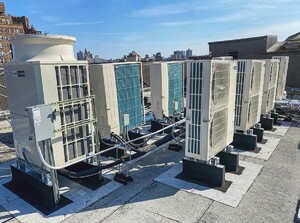
Local Law 154 of 2021: NYC Building Electrification Law
Local Law 154 targets new buildings and major renovations, aiming to eliminate fossil fuel combustion.
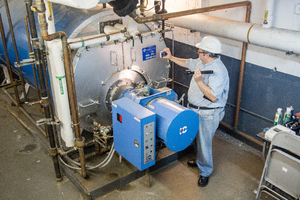
Energy Audit Fact Sheet
Learn what an energy audit covers, how audit levels differ, and how energy audits can support efficiency, cost savings, and Local Law 87 compliance.
Local Law 97 Compliance Guide
NYC Local Law 97 requirements, deadlines, emissions limits, and compliance strategies for building owners and managers.
View all resources on this topic
Fort Lee Parking Structure Inspections (Ordinance 2025-17): Compliance Requirements for Owners and Managers
Fort Lee’s new Ordinance 2025-17 puts parking structure inspections on the calendar. Get a clear, owner-focused breakdown of who must comply, what a NJ PE will evaluate, how the Safe/SREM/Unsafe ratings work, and the filing and repair timelines that can affect operations and budgeting.
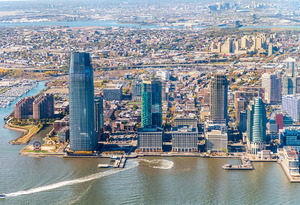
Jersey City Structural and Facade Inspection Requirements
Buildings of a certain height in Jersey City are now required to have regular facade and structural inspections performed by a licensed professional.
View all resources on this topic
Interior Renovations
An engineer/architect should review proposed alternations to make sure they don’t damage building-wide systems.
Managing the Landmarks Process
The LPC requires owners to preserve the architectural integrity of the building’s original design.
Amending a Certificate of Occupancy
Whenever a building changes its use, egress, or occupancy, it must file for an amended C of O.
Permit Requirements
Which types of projects require permits and what kind are needed?
View all resources on this topic
Finding—and Fixing—Construction Defects
To address problems in new construction, start with a forensic survey.
Ask the Engineer: Special Inspections
The DOB has tightened requirements for Special Inspections, which apply to most repair projects.
Detecting Leaks with Infrared Thermography
Infrared Thermography reveals hidden defects throughout a building.
Doing Due Diligence Before Buying
A pre-purchase survey can uncover defects that could mean higher maintenance costs later on.
Testing For Asbestos
An asbestos survey is part and parcel of most repair jobs.
How to Prevent Roof Leaks
Why roof leaks occur and how proper maintenance and repairs help prevent recurring water infiltration.
Africa Israel Sued for Not Disclosing RAND Report
The developer of 20 Pine Street failed to disclose RAND’s report, which listed $5.6 million in defects.
Lack of Luxury
RAND’s physical condition survey of the Empire Condominium uncovered a host of defective conditions.
The 7 Worst Places to Live in a Building
RAND looks at which areas inside a building pose the greatest potential for problems.
Local Law 37 Retaining Wall Inspections in NYC
NYC Local Law 37 requires periodic retaining wall inspections and DOB filings for qualifying walls. Learn the requirements, who must inspect, and how to comply.
NYC Annual Parapet Inspection Requirement Fact Sheet
NYC parapet inspection requirements, annual deadlines, report rules, and Local Law 126 compliance guidance for building owners and property managers.
Understanding Tenant Protection Plan (TPP) Compliance in NYC: A Guide for Building Owners
Protecting the safety of tenants during construction is required by law.
Learn to Spot Building Defects before Buying
Prospective buyers should be aware of common defects in newly constructed condominiums.
The Top 7 Construction Defects
New doesn’t mean flawless. Leaks and other deficiencies are often found in recently built properties.
View all resources on this topic
Interior Renovations
An engineer/architect should review proposed alternations to make sure they don’t damage building-wide systems.
Surveying Your Building's Condition
A guide to physical condition surveys for NYC buildings, including what they cover and how they support repair planning and capital budgeting.
Project Communication
Establishing upfront a realistic scope of work, repair budget, and timeline paves the way to a smoother running project.
Exterior Repair Contracts
What an exterior repair contract should cover, including payment terms, supervision, safety, and protection for owners.
High Bid, Low Bid, Best Bid?
For a competitive bid, get itemized repair components, check references, and never reveal your budget to contractors.
Contractor Quality
References alone aren’t sufficient. Ask prospective contractors the right questions before hiring one.

When an Engineer Is on the Board
An engineer can provide valuable technical input, but he or she does not run the project.
Getting the Construction Documents Right
Plans and specifications for a revived project need to be updated if the scope of work has changed.
Time for a Change (Order)?
Change orders are inevitable, but which ones are legitimate, and how much should be allotted for them?
When to Use an Engineer
An Engineer’s role is to determine how to make the most cost-effective repairs.
Engineer vs. Architect: What's the Difference?
A licensed professional’s practical experience with the type of project at hand is the key consideration.
To Bond, or Not to Bond?
Performance bonds can offer a measure of financial protection for owners undergoing construction projects.
Is "Subcontractor" Really a Dirty Word?
Sometimes hiring subcontractors is not only appropriate but advisable—with precautions.
The Role of the Engineer/Architect
Common misconceptions that strain the partnership between a board and its engineer/architect.
View all resources on this topic
Managing the Landmarks Process
The LPC requires owners to preserve the architectural integrity of the building’s original design.
NYC Landmarks Approval Process and LPC Requirements
Key requirements for NYC Landmarks approval, including LPC permit types, submission process, and expected timelines for exterior work.
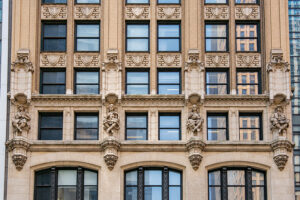
Historic Preservation Grants, Loans & Tax Credits in New York
A guide to funding programs for historic properties, including NYC grants and loans, New York State rehabilitation tax credits, and federal incentives.
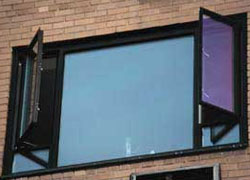
Window Replacement in an Historic District
New aluminum casement units preserved the style of the originals with improved performance.
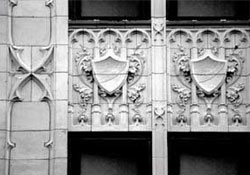
Return to Glory on the Upper West Side
Restoring the decorative terra cotta facade of a prewar co-op revived its architectural character.
How LPC Approval Works for Landmarked Buildings
How the NYC Landmarks approval process works, including LPC permits, submission requirements, and project timelines.