
Local Law 88 Compliance Guide: Lighting Upgrades and Sub-metering
Advancements in lighting technology over the past two decades have created opportunities to achieve substantial reductions in energy usage by implementing more efficient lighting systems, marking a significant step towards enhanced sustainability and operational efficiency.
Local Law 88 of 2009
Local Law 88 (LL88) and its extensions – Local Law 132 of 2016 and 134 of 2016 – encompasses regulations pertaining to lighting upgrades and sub-metering, with the aim of enhancing energy efficiency in buildings across New York City. Upgrades, which involve either installing or modifying the lighting system to meet the standards for new systems, can start with a transition to energy-efficient LED lighting, and/or may involve lighting controls (including interior lighting controls, light reduction controls, and automatic lighting shutoff), tandem wiring, exit signs, interior lighting power requirements, and exterior lighting.
Who Must Comply?
Residential Buildings
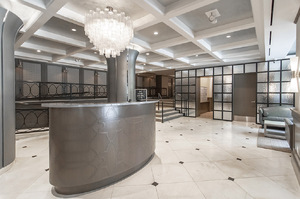
Residential buildings 25,000 square feet or larger must upgrade lighting in common areas (such as lobbies, hallways, service areas, basements, mechanical rooms, laundry rooms, and utility closets) to meet current NYC Energy Conservation Code standards. While there is no requirement for upgrading lighting in residential units, it should be recommended as a voluntary measure to reduce overall building electricity consumption and help improve benchmarking scores.
Non-Residential Buildings
Non-residential and mixed-use buildings must upgrade lighting in all areas, and are not limited to common areas. Covered buildings include:
- Two or more buildings held in condominium form of ownership that are governed by the same board and are together more than 100,000 square feet
- Buildings 25,000 square feet or larger
- Two or more buildings that share a tax lot and are together greater than 100,000 square feet
What are the Sub-metering Requirements?
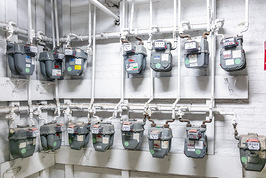
In addition, non-residential and mixed-use boards and building owners must install electrical sub-meters for each substantial non-residential tenant space exceeding 5,000 square feet.
For buildings with multiple non-residential components across one or more floors, each tenant must be provided with one of the following:
- An individual sub-meter
- A shared sub-meter with other tenant spaces on the same floor
- A shared sub-meter covering the entire floor
Boards and building owners are also required to provide monthly electrical statements to each non-residential tenant. These statements should detail the electricity consumption measured by the sub-meter for the month and the corresponding charges.
When is the Deadline for Compliance?
Updated Compliance Timeline
Current requirement (filing year 2026)
DOB’s 2026 Service Notice states that owners of covered buildings who have not yet demonstrated compliance must submit an LL88 compliance report by May 1, 2026. Filing fees must be paid and submitted in DOB NOW: Safety.
Prior deadlines (for reference only)
In 2025, DOB provided a penalty-free filing window through June 30, 2025, and allowed certain buildings that filed an LL97 extension to submit LL88 by December 31, 2025. DOB also states that deadline extensions issued by service notice in 2025 do not apply to filing year 2026.
Penalties for Non-Compliance
Lighting Upgrades: A civil penalty of $1,500 will be imposed annually for failure to file the required lighting upgrade compliance report.
Sub-Meter Installations: A civil penalty of $1,500 will be assessed annually for failure to file the sub-meter compliance report, with an additional penalty of $500 per tenant space for failure to install sub-meters in accordance with the law.
Recommendations for Moving Forward
Building owners should begin the process as soon as possible to minimize any potential disruptions to tenants and residents.
Covered buildings include:
- Consult a Professional: Engage a lighting consultant or design professional with expertise in compliance and in designing and implementing an energy-efficient lighting system tailored to your building’s unique requirements.
- Conduct a Lighting Audit: Begin with a thorough lighting audit to understand your building’s specific needs. This will help you identify areas with the highest energy consumption and prioritize upgrades accordingly.
- Identify Existing Exemptions: Begin by determining any exemptions that may apply to your current lighting system.
- Develop an Upgrade Plan: Create a clear plan for upgrading your lighting system and track your progress using meter placements.
- Exit Sign Efficiency: Check that exit signs consume no more than 5 watts, in compliance with the code.
- LED Lighting or Equivalents: Install energy-efficient LED lighting or suitable alternatives that meet high-efficiency standards, such as compact fluorescent lights.
- Implement Lighting Control Systems: In many cases, commercial buildings require lighting control systems, such as smart lighting, occupancy sensors, daylight harvesting, demand response, and centralized control, to optimize energy usage.
- Work Lighting Enhancements: Consider incorporating improvements in work lighting as part of standard lease agreements, where applicable.
- Lighting Maintenance Plan: Develop a proactive lighting maintenance plan to help maintain the longevity and efficiency of your upgraded lighting system. Regular maintenance can help prevent issues and maximize energy savings over time.
Contact RAND
For more information or to schedule a consultation with RAND’s MEP and Energy Services Team of registered design professionals, call 212-675-8844, or email info@randpc.com.