
Enclosed Balconies and FISP: What NYC Owners Need to Know
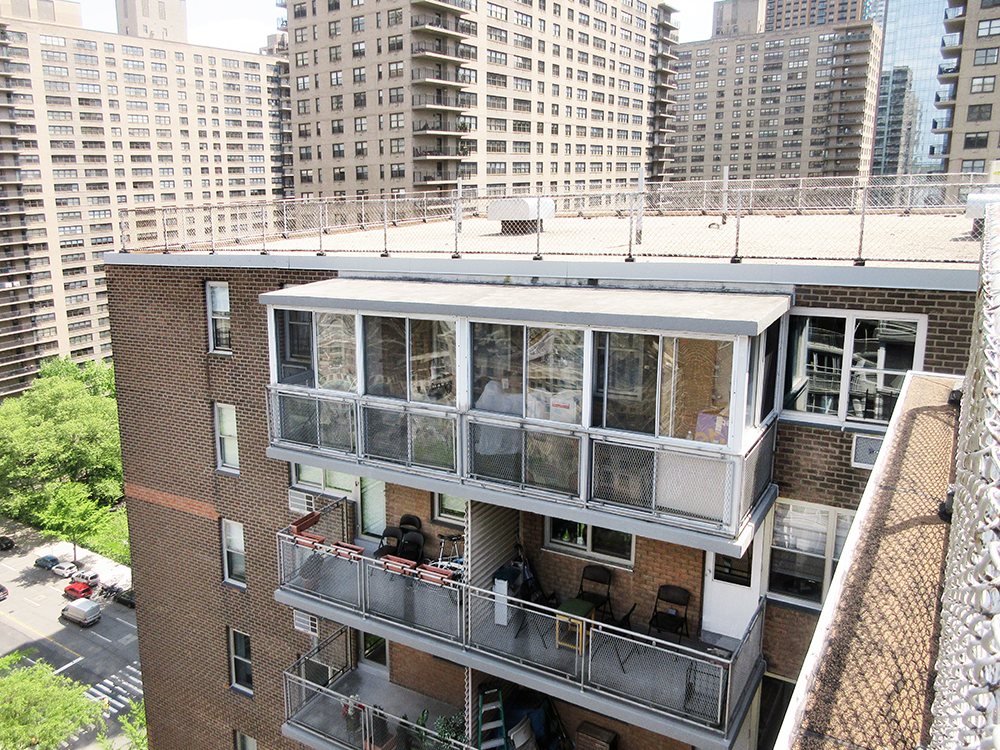
Enclosed balconies and greenhouse-style enclosures are common in many New York City buildings, particularly older co-ops and condominiums. They often raise questions during Facade Inspection Safety Program (FISP) cycles, especially around compliance, safety, and whether they can remain in place.
Enclosures are not prohibited under FISP, but they are not exempt from inspection. For filing purposes, DOB does not require verification of an enclosure’s permitting status. However, the enclosure must still be evaluated as part of the facade inspection and found to be stable and secure.
How Enclosed Balconies Are Treated Under FISP
Under FISP, balcony enclosures are considered exterior appurtenances and must be included in the inspection and report.
This means:
- The enclosure itself must be assessed for stability and attachment
- Its condition must be reported as part of the exterior wall system
- It must not present a condition that could become unsafe
If an enclosure is not positively secured or shows signs of deterioration, it may be classified as unsafe and require corrective action.
What Inspectors Are Looking For
During a FISP inspection, enclosed balconies are evaluated for conditions that could affect safety or long-term performance, including:
- Structural stability of the enclosure framing
- Secure attachment to the building
- Deterioration, corrosion, or material failure
- Water infiltration or trapped moisture
- Conditions that may affect the balcony slab or facade behind the enclosure
Because enclosures can conceal underlying conditions, additional investigation may be required in certain areas.
When Enclosures Become a Concern
Even when an enclosure appears intact, issues may exist within or behind it.
Common concerns include:
- Deterioration of the balcony slab concealed by the enclosure
- Corrosion of embedded steel or railing connections
- Water infiltration that accelerates facade damage
- Enclosures that were modified, altered, or improperly installed
If unsafe conditions are identified, they must be addressed as part of the FISP repair program. This may require partial removal or temporary access to the enclosure to complete repairs.
What This Means for Building Owners and Managers
In many cases, enclosed balconies can remain in place if they are in good condition and do not present a safety concern. However:
- Enclosures are subject to inspection under FISP
- Their condition can affect the building’s filing classification
- Repairs to the underlying structure may require access or removal
- Early evaluation can help avoid delays during the inspection cycle
Frequently Asked Questions
Are enclosed balconies allowed in NYC?
Enclosed balconies are not automatically prohibited. Many existing enclosures can remain in place, but they still must be evaluated as part of the building’s exterior wall system and found to be stable and secure.
Do enclosed balconies need to be removed for FISP?
Not necessarily. Removal is not required if the enclosure is in good condition and does not present a safety concern. However, temporary removal or access may be necessary if underlying repairs are needed or if conditions cannot be properly assessed.
Are balcony enclosures inspected during FISP?
Yes. Balcony enclosures are considered exterior appurtenances and must be included in the FISP inspection. Their condition, attachment, and any effect on the underlying structure must be evaluated.
What happens if an enclosed balcony is unsafe?
If an enclosure is not stable, not properly secured, or shows signs of deterioration, it may be classified as unsafe. In that case, corrective work is required, which may include repair, stabilization, or removal.
Do balcony enclosures need permits in NYC?
New or altered balcony enclosures generally require permits and must comply with applicable building and zoning requirements. FISP inspections focus on condition and safety rather than verifying permitting status.
Can enclosed balconies hide structural problems?
Yes. Enclosures can conceal deterioration at the balcony slab, railings, or adjacent facade. That is why careful inspection and, in some cases, limited probing or additional access may be needed.
Planning Ahead for FISP
Enclosed balconies can add complexity to both inspections and repair programs. Early planning allows your engineer to:
- Identify areas requiring closer investigation
- Coordinate access to enclosed spaces
- Anticipate repair scope and sequencing
- Support timely filing and reduce construction delays
Speak with RAND
If your building has enclosed balconies and is approaching a FISP cycle, RAND can evaluate conditions, identify potential concerns, and help you plan for inspection and any required repairs.
Request a FISP Proposal
To discuss your building or request a proposal for facade inspection services and/or a FISP repair program, contact RAND at 212-675-8844 or FISP@randpc.com.
For additional background on this topic, see the related Habitat magazine article.