
FISP Repairs and Water Infiltration: Planning with Leak History in Mind
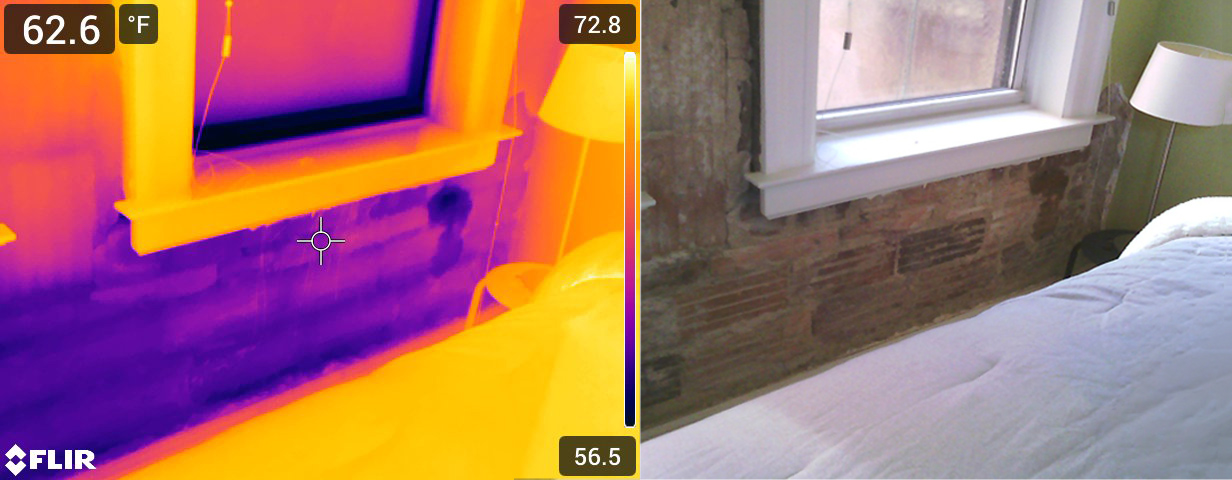
When owners, boards, and managers are planning facade repairs, water infiltration concerns should be part of the conversation early.
When water infiltration is part of the picture, leak history can help project teams understand whether interior symptoms, concealed wall conditions, roof or parapet conditions, and planned facade repairs may be related.
RAND Partner Luke Pantaleo was recently interviewed by Habitat Magazine about how water infiltration can complicate facade repair projects, including work that may begin as a more limited exterior repair program.
As Facade Inspection Safety Program (FISP) Cycle 10 puts exterior wall conditions and repair priorities back in focus for many NYC buildings, these questions are especially relevant for owners, boards, and managers planning repairs.
Read the Habitat article here.
Coordinate Leak Concerns with Facade Repair Planning
A FISP inspection evaluates exterior wall conditions and classifies the property as Safe, Safe With a Repair and Maintenance Program, or Unsafe. But in practice, facade inspections and water infiltration concerns often overlap.
Owners, boards, and managers may be planning FISP repairs for cracked masonry, deteriorated mortar joints, parapet conditions, lintel issues, or other exterior wall defects while residents are also reporting leaks, staining, or recurring interior damage.
Not every leak needs to turn into a major repair program. But when leak concerns and facade repairs may be related, they should be considered as the repair scope is being developed.
Water does not always enter directly outside the apartment where the leak appears. It can move behind facade materials, through masonry, around flashing, at roof and parapet transitions, or around window perimeters before showing up inside. That is why leak investigations may require review, testing, selective probes, and eliminating possible sources.
When possible, water infiltration concerns should be evaluated in coordination with facade repair planning. Some issues cannot be fully known until probes or construction expose concealed conditions, but considering leak history, roof conditions, parapet conditions, window issues, and prior repairs early in the process can help the project team make better decisions as the work moves forward.
What to Review as the Repair Scope Takes Shape
As facade repair scopes are being developed, the project team should help owners, boards, and managers understand:
- Where leakage has been reported and whether it has been recurring in the same apartments or lines
- How roof, parapet, flashing, bulkhead, window, and facade transition conditions may relate to the reported leaks
- Whether interior symptoms may be related to exterior wall conditions
- When probes, water testing, or additional investigation may be useful as part of the planning process
- How the proposed repair scope addresses visible defects and likely sources of water infiltration
- Whether addressing related conditions as part of the same project could reduce the risk of repeated mobilizations later
The goal is to understand the available repair options, where a limited scope may be appropriate, and where related conditions may need to be addressed at the same time.
There is no single right answer for every property. Budget, reserve planning, resident impact, access costs, FISP status, contractor availability, and long-term building condition all matter. A smaller scope may make sense in some cases. In others, addressing related conditions while access is already in place may reduce the likelihood of repeated leaks, future change orders, and another round of disruptive work.
Moving Repairs Forward with Better Information
Reviewing leak history as part of facade repair planning helps project teams understand where water infiltration may be related to the exterior work, what can reasonably be addressed within the current scope, and what may need to be monitored or planned separately.
That distinction matters. A limited repair program may be the right approach. In other cases, addressing related conditions while access is already in place can reduce the chance of repeated mobilizations, future change orders, and continued disruption for residents.
RAND works with co-op and condo boards, property managers, and building owners to evaluate facade conditions, investigate water infiltration issues, and develop practical repair-planning options for New York City buildings.
Contact RAND to discuss facade repair or water infiltration concerns at your property.