
PIPS Cycle 1C Parking Garage Inspections: Your Questions, Answered
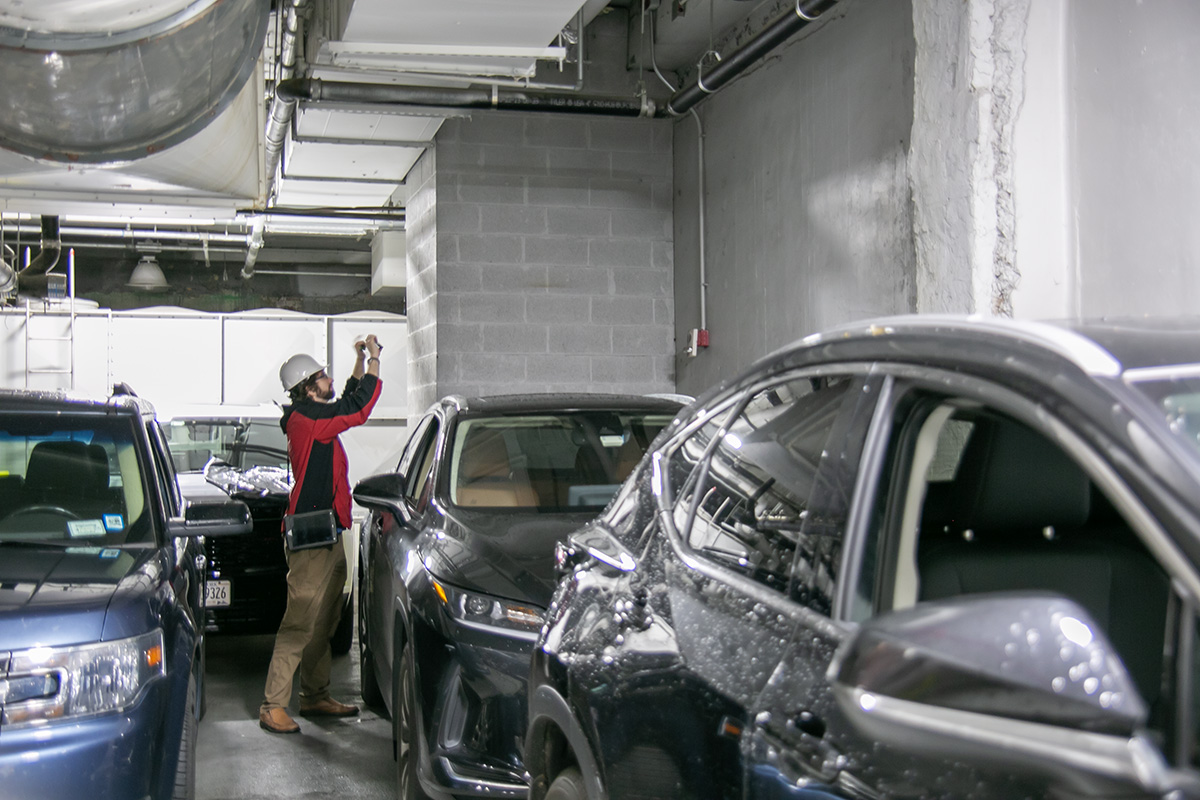
New York City’s Periodic Inspection of Parking Structures (PIPS) program, also known as Local Law 126, requires qualifying parking structures to undergo periodic condition assessments and file compliance reports with the NYC Department of Buildings.
For parking structures in the Bronx, Queens, and Staten Island, the current PIPS Cycle 1C filing window is open.
Who does PIPS Cycle 1C apply to, and when is the deadline?
PIPS Cycle 1C applies to covered parking structures in the Bronx, Queens, and Staten Island. Reports must be filed with DOB by December 31, 2027.
Owners must retain a Qualified Parking Structure Inspector (QPSI) to perform or directly supervise the condition assessment and file the condition assessment report.
Covered parking structures generally include buildings, or portions of buildings, used for parking or storing motor vehicles, including open and enclosed parking garages. Certain structures are exempt, including garages serving one- and two-family homes, unenclosed and unattached outdoor parking lots, automotive repair shops, automotive showrooms, automotive service stations, loading docks, and garages with occupancy of fewer than three cars.
Who can perform a PIPS inspection?
A PIPS condition assessment must be performed by or under the direct supervision of a Qualified Parking Structure Inspector (QPSI). A QPSI is a New York State licensed professional engineer who has been designated by the NYC Department of Buildings as a Qualified Parking Structure Inspector.
The QPSI is responsible for the condition assessment program, final inspection, filing classification, and condition assessment report submitted to DOB.
December 31, 2027 sounds far away. Why start now?
A two-year filing window can disappear quickly, especially if the inspection identifies conditions that require repair planning, budgeting, or follow-up.
Starting the PIPS process earlier gives owners and managers more time to:
- Schedule the inspection
- Review findings before the deadline approaches
- Understand potential repair exposure
- Budget for repairs
- Coordinate PIPS work with FISP, facade repairs, roof work, mechanical upgrades, or other capital projects
- Avoid discovering major repair needs at the end of the filing window
If a parking garage inspection identifies deterioration or structural concerns, the owner may need more than a filed report. The next steps may include additional evaluation, repair design, bidding, construction administration, and follow-up filings.
Identifying those needs earlier can help owners phase costs, coordinate garage work with other capital projects, and make decisions before deadline pressure limits their options.
What does a PIPS inspection look for?
A PIPS inspection evaluates the condition of the parking structure, including structural elements and appurtenances that may affect safety, performance, and maintenance.
Common issues may include concrete deterioration, corrosion, drainage problems, water infiltration, structural distress, wearing-surface deterioration, fireproofing issues, and other conditions that can worsen over time if not addressed.
What if my parking structure is part of a building subject to FISP?
PIPS and Facade Inspection Safety Program (FISP) are separate inspection and filing requirements. A building’s FISP obligation does not replace the parking structure’s PIPS obligation.
However, the PIPS rule does account for FISP in several ways. Before inspecting a parking structure, the QPSI must review available FISP reports where applicable. The rule also states that the facade of the structure does not need to be included in the parking structure compliance report if the building is subject to FISP.
For buildings with both PIPS and FISP obligations, coordination can also help owners understand how garage repairs, facade repairs, sidewalk sheds, roof work, mechanical upgrades, or other capital projects may affect budgets, assessments, financing, resident disruption, and project timing.
What are the penalties for missing the PIPS filing deadline?
DOB lists the following core civil penalties for parking structure reports:
- Late filing: $1,000 per month
- Failure to file: $5,000 per year
- Failure to correct Unsafe conditions: $1,000 per month
- Failure to correct SREM conditions: $2,000 one-time penalty
Additional DOB/OATH violations may also apply in certain situations, including missed Initial Observation Reports, failure to conduct required annual observations after the PIPS report has been accepted, failure to notify DOB of Unsafe conditions, failure to take required public safety measures, failure to file required amended reports, or false statements. Owners should confirm property-specific violations and penalties before assuming which penalties apply.
Penalties can add up, but the bigger risk may be discovering repair needs too late to plan them well. A parking garage inspection may also identify repair needs that require budgeting, planning, and coordination before the filing window closes.
What if my parking garage was in Cycle 1A or 1B and missed the filing deadline?
Parking structures in earlier PIPS sub-cycles may already be past their filing deadlines.
Cycle 1A covered parking structures in Manhattan Community Districts 1 through 7, with reports due by December 31, 2023. Cycle 1B covered parking structures in Manhattan Community Districts 8 through 12 and all Brooklyn Community Districts, with reports due by December 31, 2025.
Owners that missed a prior PIPS filing deadline may already have late filing penalties, failure-to-file penalties, or related DOB violations to address. They should confirm their property’s filing status, review any open violations, and retain a QPSI to determine the appropriate next steps.
What is an Initial Observation Report?
For certain parking structures in later subcycles, DOB required a one-time Initial Observation Report before the full condition assessment report deadline.
For Cycle 1C garages, the Initial Observation Report deadline was August 1, 2024. The observation had to be performed by or under the direct supervision of a QPSI.
The Initial Observation Report is separate from the full PIPS condition assessment report. If the Initial Observation Report requirement was missed, the owner may already have a violation or penalty to address, even though the full Cycle 1C condition assessment report is not due until December 31, 2027.
If my garage missed the Initial Observation Report deadline, should I still file it?
Yes. If a garage missed the one-time Initial Observation Report deadline, owners should confirm whether there is an open DOB violation or penalty and address it rather than waiting for the full Cycle 1C filing deadline.
Based on RAND’s project experience, some garages that missed the Initial Observation Report deadline have received violations and penalties. The penalty amount may vary by violation status and DOB processing, so owners should confirm their property-specific records before assuming the amount owed.
Filing the Initial Observation Report may be an important step toward resolving that prior compliance issue, even though the full Cycle 1C condition assessment report is not due until December 31, 2027.
What is the annual observation requirement, and are annual observation reports filed with DOB?
During a PIPS condition assessment, the QPSI develops a unique annual observation checklist for the parking structure.
After the current cycle’s PIPS compliance report has been accepted by DOB, the owner is responsible for having annual observations performed based on the checklist included in the most recent accepted report.
Completed annual observation reports must be kept at the parking structure and made available to DOB and the QPSI upon request. They are not submitted to DOB each year.
What should Cycle 1C owners do now?
Owners and managers of parking structures in the Bronx, Queens, and Staten Island should review the following:
- Confirm whether the garage is subject to PIPS Cycle 1C
- Check whether the one-time Initial Observation Report was required and filed
- Review any prior PIPS filings, Initial Observation Reports, and DOB records for open items
- Review DOB records for any open PIPS-related violations or penalties
- Schedule the full condition assessment with a QPSI
- Identify potential repair, maintenance, or follow-up needs
- Coordinate garage repair planning with other capital projects, if applicable
- Consider whether the property also has FISP, facade, roof, mechanical, or other major repair obligations
The filing deadline is December 31, 2027, but owners don’t need to wait until 2027 to understand their repair exposure. Starting earlier can help teams budget more realistically and plan major work before decisions become rushed.
How RAND can help
RAND’s QPSIs and Structural Engineering Team provide PIPS/Local Law 126 inspections, condition assessment reports, Initial Observation Reports, repair design, and repair-phase support for parking structures throughout New York City.
For Cycle 1C parking structures in the Bronx, Queens, and Staten Island, RAND can help owners confirm filing requirements, review prior records or violations, schedule the condition assessment, and understand potential repair planning needs before the filing window starts closing.
To discuss your parking structure’s PIPS requirements, contact RAND at 212-675-8844 or info@randpc.com.