
Parking Garage Maintenance: 5 Best Practices for Owners
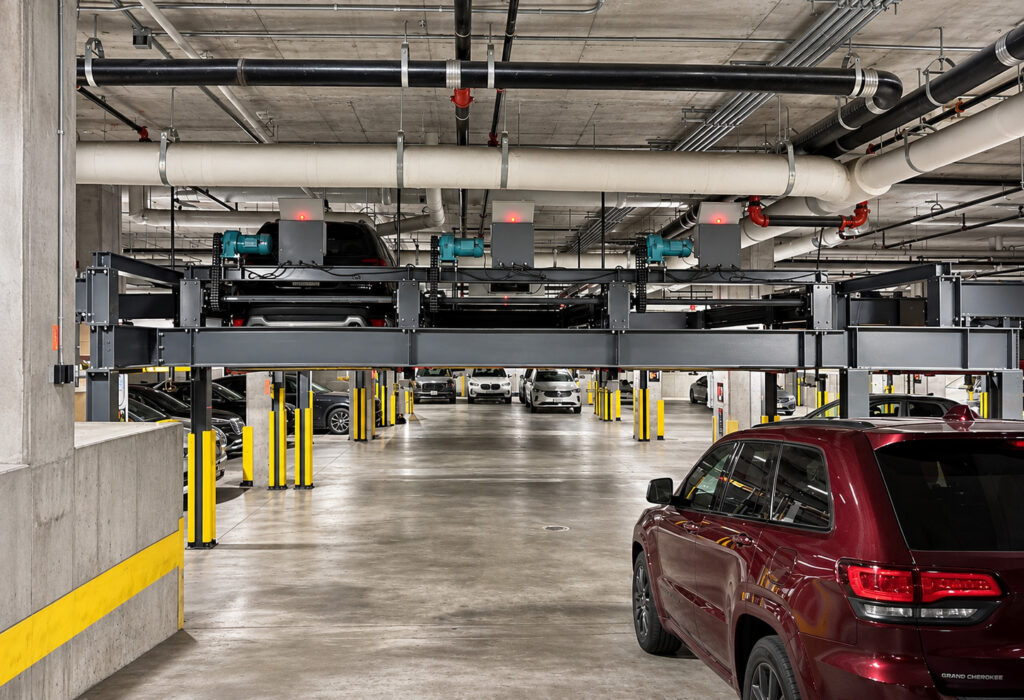
Parking garages are subject to constant vehicle traffic, moisture, deicing salts, and temperature changes that can accelerate deterioration of concrete, steel, and protective coatings. Without regular maintenance, these conditions can lead to water infiltration, corrosion, structural damage, and costly repairs.
A preventive parking garage maintenance program can help owners and managers identify developing problems, address deterioration early, and extend the service life of their structures. The following five practices provide a starting point.
1. Address Cracks, Leaks, and Concrete Damage Promptly
Cracked or spalling concrete, rust staining, exposed reinforcing steel, and persistent leaks can indicate deterioration that requires attention. Moisture entering concrete can cause reinforcing steel to corrode, resulting in further cracking and damage.
Owners should document these conditions and have them evaluated by a qualified engineer when appropriate. Repairs should address the underlying causes of deterioration, not just the visible damage, to help prevent recurring problems.
2. Maintain Protective Coatings, Waterproofing, and Sealants
Traffic coatings, waterproofing membranes, and joint sealants help protect parking structures from water infiltration and deicing salts, which can accelerate concrete and steel deterioration. On traffic-bearing surfaces, protective coatings are also subject to wear from repeated vehicle traffic and may require periodic renewal to maintain their effectiveness.
Regularly check these systems for worn coatings, cracks, open joints, and failed sealants, particularly in high-traffic areas and locations exposed to weather. Damaged materials should be repaired or replaced as appropriate. Where protective coatings are absent, an engineer can determine whether a new coating system is warranted.
3. Keep Drainage Systems Clear and Functional
Standing water can accelerate deterioration, contribute to corrosion, and indicate deficiencies in a parking garage’s drainage or waterproofing systems.
Floor drains, trench drains, and other drainage components should be inspected and cleaned regularly, particularly after storms and winter weather. Recurring ponding, clogged drains, or persistent leaks may warrant further investigation to identify and correct the source of the problem.
4. Implement a Routine Inspection and Maintenance Program
Regular condition reviews between professional inspections can help owners track deterioration and identify emerging maintenance needs.
Document cracks, leaks, damaged coatings, drainage problems, and other visible conditions through photographs and maintenance records. Tracking these observations over time can help identify recurring issues, establish repair priorities, and provide valuable information during subsequent engineering assessments.
Routine maintenance reviews supplement, but do not replace, required professional parking structure inspections.
5. Train Staff to Recognize and Report Problems
Garage operators and maintenance personnel are often the first to notice changes in a structure’s condition.
Staff should be familiar with warning signs such as concrete spalling, rust staining, water infiltration, damaged coatings, and blocked drains. Establish a reporting process so management can document concerns and arrange appropriate follow-up.
Conditions that may present an immediate safety hazard, such as falling concrete or apparent structural movement, require immediate protective measures and professional evaluation.
Parking Garage Maintenance and NYC Local Law 126
In New York City, parking structures subject to Local Law 126 and the Periodic Inspection of Parking Structures (PIPS) program must undergo periodic condition assessments performed by a Qualified Parking Structure Inspector (QPSI), with reports filed with the Department of Buildings.
Following acceptance of a PIPS compliance report, annual observations are also required using a structure-specific checklist prepared by the QPSI. Findings from these assessments can help owners develop maintenance programs, prioritize repairs, and monitor deterioration between inspection cycles.
Planning for Long-Term Parking Garage Maintenance
A well-planned maintenance program should account for a garage’s age, construction, exposure to the elements, and existing condition. Regular upkeep, timely repairs, and professional evaluations can help owners manage deterioration and budget for future capital improvements.
When substantial repairs are necessary, careful planning can also minimize disruptions to garage operations. Learn more about planning and coordinating parking garage repairs.
Need Help with Your Parking Garage’s Maintenance or Repair Needs?
Whether you’re preparing for a required PIPS inspection, addressing signs of deterioration, or planning future repairs, RAND can help. Our structural engineers and Qualified Parking Structure Inspectors (QPSIs) provide condition assessments, inspection services, repair recommendations, and engineering support to help owners and managers maintain safe, functional parking structures.
Contact RAND today to discuss your parking garage’s condition, inspection requirements, or maintenance and repair priorities.